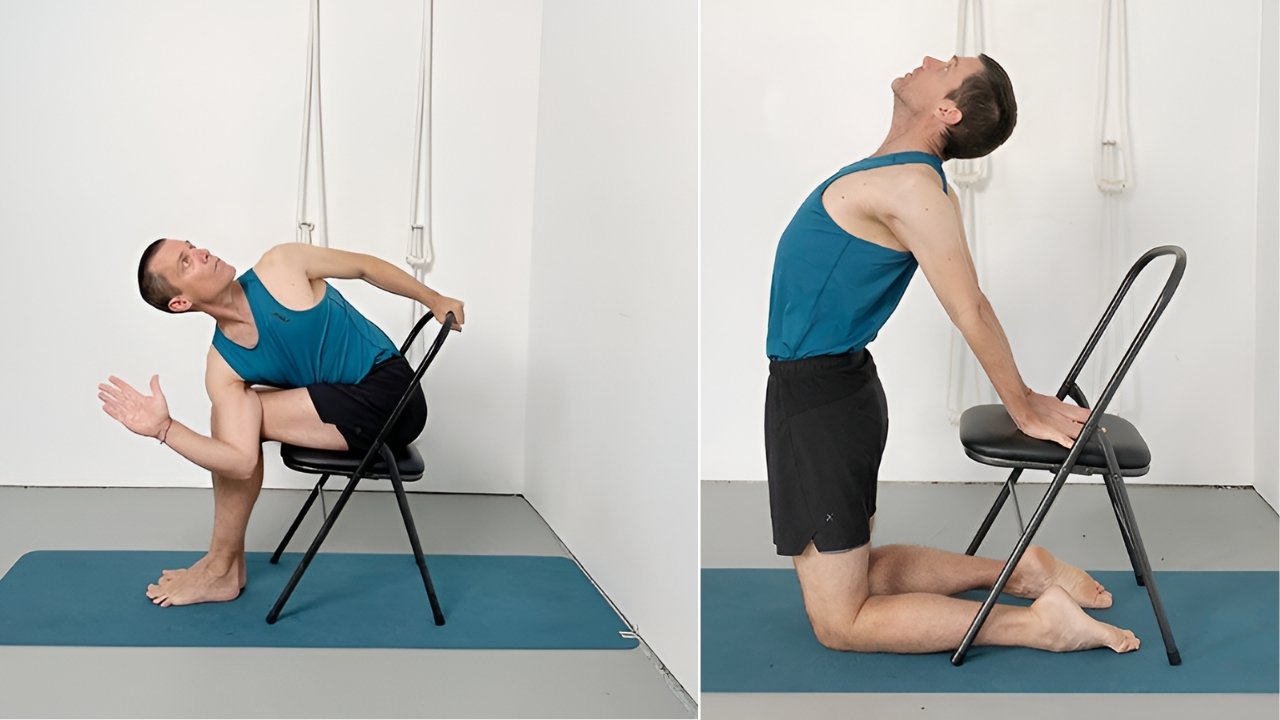
10-Minute Desk Yoga Routine for Office Workers: Back pain during meetings. Neck stiffness after long emails. Tight shoulders before the day even ends. For millions of office workers, this discomfort feels like part of the job. The real problem is not work itself but the lack of movement. Sitting for hours slows circulation, weakens core muscles, and compresses the spine. The solution does not require expensive equipment or extended breaks. A focused 10-minute desk yoga routine can reset your posture, ease tension, and restore energy right at your workstation.
This routine is designed specifically for busy professionals who need fast relief without disrupting productivity. Every stretch targets common problem areas including the neck, upper back, shoulders, hips, and lower spine. Done consistently, these movements help improve flexibility, reduce inflammation, and support long-term spinal health.

Melt Neck Tension Instantly
Neck stiffness often comes from leaning forward toward screens. Sit upright with both feet grounded. Lengthen your spine and gently tilt your right ear toward your shoulder. Instead of forcing the stretch, relax the opposite shoulder downward. Hold for six slow breaths. Switch sides. Next, lower your chin toward your chest and slowly rotate your head in controlled half circles. This movement improves mobility in the cervical spine and reduces stress-driven tightness.
Reset Rounded Shoulder Posture
Hunched shoulders compress the chest and strain upper back muscles. Sit tall and interlace your fingers behind your lower back. If that feels restrictive, hold a pen or small notebook between both hands. Straighten your arms slightly and lift your chest upward while drawing shoulder blades together. Breathe deeply for eight counts. This posture reactivates the muscles responsible for upright alignment and counteracts hours of forward slouching.

Awaken Upper Back Strength
Upper back weakness contributes to chronic desk pain. Sit forward on your chair and extend your arms straight ahead at shoulder height. Spread your fingers wide. Slowly pull your elbows back as if squeezing something between your shoulder blades. Hold for three seconds, then extend forward again. Repeat ten times with controlled breathing. This active movement strengthens postural muscles and creates stability rather than relying only on passive stretching.
Seated Spinal Mobility Flow
Spinal stiffness builds when movement is limited. Place your hands on your knees and inhale as you arch your back, lifting your chest and looking slightly upward. Exhale and round your spine, drawing your belly inward and chin toward chest. Continue this flowing pattern for one full minute. This seated spinal mobility exercise improves circulation around spinal discs and reduces compression in both the upper and lower back.

Gentle Office Side Stretch
Side body tightness can restrict breathing and increase shoulder tension. While seated, raise your right arm overhead. Keep your shoulders relaxed and gently lean your torso to the left. Avoid collapsing forward. Focus on expanding your ribs as you inhale. Hold for five breaths and switch sides. This stretch opens intercostal muscles, improves lung capacity, and reduces stiffness that builds from static desk posture.
Deep Hip Release Position
Tight hips are a hidden cause of lower back discomfort. Sit upright and place your right ankle over your left thigh, forming a seated figure four position. Keep your spine straight and slowly hinge forward at the hips. Stop when you feel a stretch in the outer hip and glute. Hold for eight breaths, then switch sides. Releasing hip tension reduces strain on the lumbar spine and supports better sitting mechanics.

Core Engagement For Support
Weak core muscles force the lower back to work harder. Sit tall without leaning on the chair back. Gently draw your navel inward toward your spine while maintaining normal breathing. Hold this engagement for fifteen seconds. Release and repeat five times. This subtle activation strengthens deep abdominal muscles that stabilize the spine throughout long workdays.
Wrist And Finger Recovery
Continuous typing strains small joints and tendons. Extend your right arm forward with your palm facing down. Use your left hand to gently press the fingers downward for a forearm stretch. Hold for five breaths. Flip the palm upward and stretch again. Repeat on the other side. Then spread your fingers wide and make a tight fist ten times. This improves circulation and reduces risk of repetitive strain injuries.
Standing Desk Spine Decompression
When possible, stand behind your chair. Place both hands on the desk edge and step back until your arms are straight. Hinge at the hips and allow your chest to drop toward the floor while keeping your back long. Let your head relax between your arms. Take six slow breaths. This posture decompresses the spine, lengthens hamstrings, and restores energy levels during afternoon fatigue.
Mindful Breathing Reset Boost
Stress intensifies muscle tension. Sit comfortably and close your eyes for one minute. Inhale deeply through your nose for four counts, hold for four counts, then exhale slowly for six counts. Focus on expanding your belly instead of your chest. This breathing technique lowers cortisol levels, reduces anxiety, and enhances oxygen delivery to muscles that have been tight all day.

Consistency transforms this 10-minute desk yoga routine from a quick fix into a long-term solution. Performing these stretches once mid-morning and once mid-afternoon keeps stiffness from building. Small movement breaks improve productivity, sharpen focus, and prevent chronic pain from developing over time.
Office work does not have to mean daily discomfort. The body responds quickly when given attention and movement. By integrating this structured desk yoga routine into your schedule, you protect your spine, support healthy posture, and boost overall wellbeing without leaving your workstation.

The final verdict is simple. Pain is not a normal part of professional life. A dedicated 10-minute office yoga habit can relieve back, neck, and shoulder tension faster than most people expect. Prioritize movement, stay consistent, and transform your workday into something your body can handle with strength and ease.