5 Powerful Yoga Poses for Hip Mobility 2026: Modern lifestyles are quietly shrinking our range of motion. Hours spent sitting at desks, driving, or scrolling on phones can tighten the hips, weaken supporting muscles, and create discomfort that spreads to the lower back and knees. Many people stretch their hamstrings or shoulders but forget that healthy hip mobility is the foundation of pain free movement. When your hips move well, everything from walking to strength training feels smoother and more powerful.
Improving hip mobility is not about extreme flexibility or advanced yoga skills. It is about restoring balance between strength and openness. The right yoga poses can reduce stiffness, activate underused muscles, and improve joint health over time. Below are five powerful yoga poses that can unlock tight hips, boost flexibility, and help you move with confidence in 2026 and beyond.
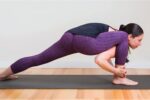
Low Lunge Ignites Hip Flexors
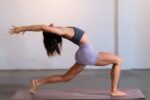
Low Lunge directly targets the hip flexors, which often become shortened from prolonged sitting. To enter the pose, step one foot forward into a lunge and gently lower the back knee to the floor. Keep your spine tall and draw your hips slightly forward without collapsing your lower back. You will feel a deep stretch along the front of the back thigh and hip. This pose restores hip extension, improves posture, and supports better stride length while walking or running. Engaging the glutes in this position enhances stability and protects the lower back.
Pigeon Pose Unlocks Deep Tension
Pigeon Pose works into the outer hips and glute muscles, areas that frequently store tension. From a tabletop or plank position, slide one knee forward toward your wrist and extend the opposite leg straight behind you. Keep your hips as level as possible and lower your torso gradually. This stretch reaches deep hip rotators that are difficult to access with basic stretches. Regular practice can ease tightness linked to lower back discomfort and improve rotational mobility. Focus on steady breathing to allow the muscles to release naturally.
Malasana Revives Natural Squat
Malasana, often called yogi squat, reconnects the body with a natural resting position that many adults lose over time. Stand with feet slightly wider than hips and lower into a deep squat while keeping your heels grounded if possible. Press your elbows into your inner knees and lift your chest. This position stretches the groin and inner thighs while strengthening the ankles and lower back. Malasana improves hip range of motion in a functional way, making everyday movements like sitting and lifting feel more natural and controlled.
Bridge Pose Strengthens Support System
Strong hips are just as important as flexible ones. Bridge Pose builds strength in the glutes and hamstrings while gently opening the front of the hips. Lie on your back with knees bent and feet flat on the floor. Press through your heels and lift your hips upward while engaging your core. Avoid arching excessively in the lower back. This pose supports pelvic stability and improves hip alignment. Balanced strength around the hip joint reduces strain on surrounding muscles and decreases the risk of injury during workouts.
Butterfly Pose Expands Inner Hips
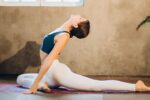
Butterfly Pose provides a controlled stretch for the inner thighs and groin. Sit upright and bring the soles of your feet together, allowing your knees to fall outward. Hold your feet and lengthen your spine, avoiding a rounded back. Instead of forcing your knees downward, let gravity gradually deepen the stretch. This pose increases blood flow to the hip area and improves flexibility over time. It is especially helpful for people who feel tightness when sitting cross legged or performing lateral movements.
Dynamic Flow Enhances Mobility Gains
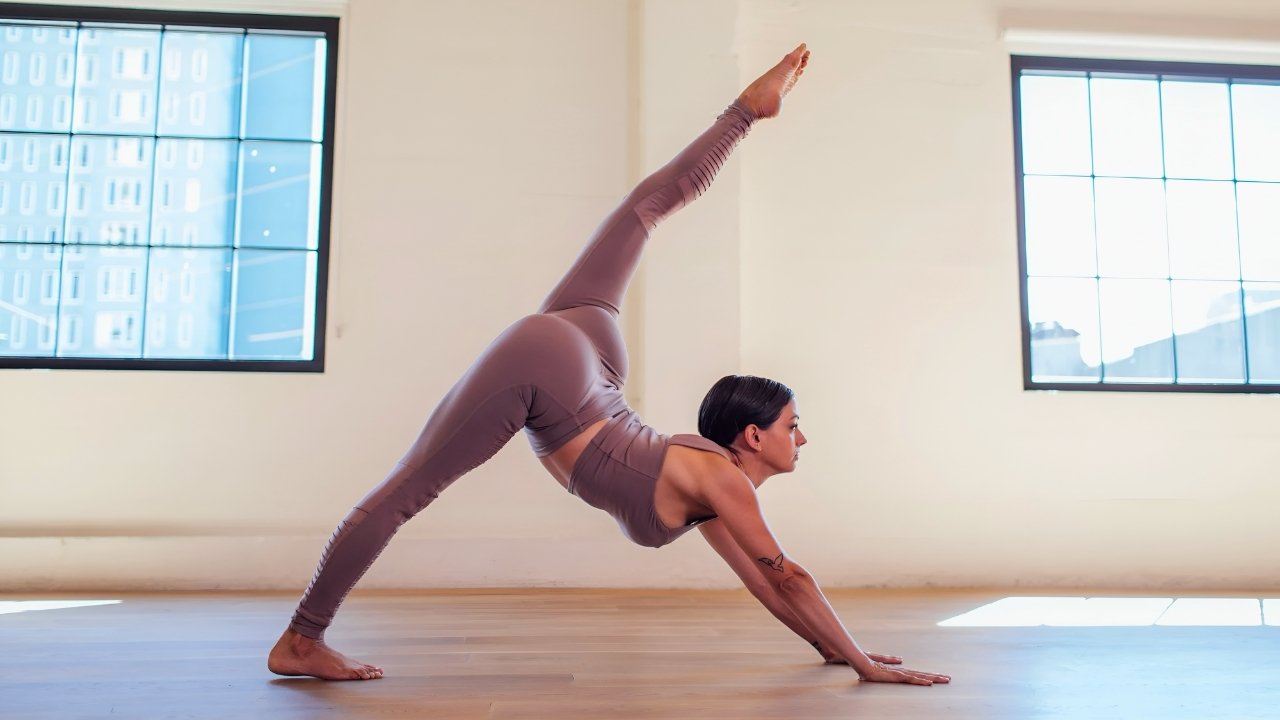
Static stretching is powerful, but combining it with gentle movement enhances results. Flowing between Low Lunge and Half Split, or transitioning from Malasana into standing, trains the hips to move through different ranges actively. Controlled movement strengthens muscles at their end range, which improves both flexibility and stability. This dynamic approach prepares the hips for real life activities such as climbing stairs, bending, or athletic training. Slow transitions also improve coordination and body awareness.
Breathwork Deepens Hip Release
Breathing plays a major role in mobility. Tight hips often respond to stress and tension stored in the body. Slow, controlled breathing signals the nervous system to relax, allowing muscles to soften. In each pose, inhale deeply through the nose and exhale slowly while consciously releasing tight areas. When breath and movement work together, stretching becomes more effective and safer. Over time, this mindful approach builds not only flexibility but also resilience against future stiffness.
Daily Habits Protect Your Hips
Yoga sessions are valuable, but daily habits determine long term success. Break up long periods of sitting by standing and stretching every hour. Adjust your workstation to maintain proper posture. Strengthen your glutes with exercises such as bodyweight squats or lunges alongside yoga practice. Staying hydrated also supports joint health and tissue elasticity. Consistency matters more than intensity. Ten to fifteen minutes of focused hip work each day can deliver noticeable improvements within weeks.
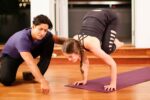
Hip mobility also impacts athletic performance. Runners benefit from improved stride mechanics, weightlifters gain better squat depth, and cyclists reduce strain on the lower back. Even simple activities like tying shoes or getting out of a car become easier when hips function efficiently. Investing time in mobility enhances overall quality of life.
Final Verdict On Hip Freedom
Healthy hips are central to comfortable movement and long term joint health. By incorporating these powerful yoga poses into your weekly routine, you create balance between flexibility and strength. The key is patience and consistency. With mindful practice, your hips will gradually unlock, your posture will improve, and everyday movements will feel lighter and more controlled. Start today and make hip mobility a priority for a stronger, pain free future.