7 Easy Yoga Poses for Beginners: Starting yoga is less about touching your toes and more about learning how to slow down and listen to your body. Many beginners hesitate because they believe yoga demands flexibility or perfect balance, but yoga actually begins with awareness. In a world filled with long sitting hours, constant screen time, and mental overload, gentle yoga offers a practical way to reconnect with movement and breath. Beginner-friendly poses help ease stiffness, calm the mind, and build strength gradually without pressure or intimidation.
Standing Tall Builds Awareness
Mountain Pose may look simple, but it teaches beginners how proper alignment feels. Standing with awareness improves posture by engaging the core lightly and stacking the spine naturally. This pose trains the body to distribute weight evenly through the feet, reducing strain on joints. Practicing this pose regularly helps beginners recognize poor posture habits formed during daily life. Over time, Mountain Pose builds confidence, balance, and a strong foundation for all other standing yoga poses.
Forward Fold Melts Stress
Forward Fold offers beginners a safe way to release physical and mental tension. By bending forward with relaxed knees, the spine lengthens gently without strain. This pose allows the neck and shoulders to soften, areas where stress often builds unnoticed. Slow breathing in this position helps calm the nervous system and quiet racing thoughts. Practiced consistently, Forward Fold improves circulation, flexibility, and relaxation while teaching beginners to move without forcing their bodies.
Spinal Flow Restores Movement
Cat Cow is one of the most beginner-friendly yoga movements because it keeps the spine active and supported. Alternating between arching and rounding the back improves spinal mobility and warms up the body. This flow encourages breath awareness by linking movement with inhalation and exhalation. It is especially beneficial for people who experience stiffness from prolonged sitting. Regular practice helps reduce back discomfort and promotes smoother, more natural movement patterns.

Resting Pose Builds Trust
Child’s Pose introduces beginners to the idea that rest is part of progress. Kneeling comfortably with the torso relaxed allows the lower back, hips, and thighs to release tension. Supporting the head creates a sense of safety and calm. This pose is often used whenever the body feels tired or overwhelmed. For beginners, Child’s Pose builds trust in the practice by reinforcing that listening to the body is more important than pushing through discomfort.
Full Body Strength Starter
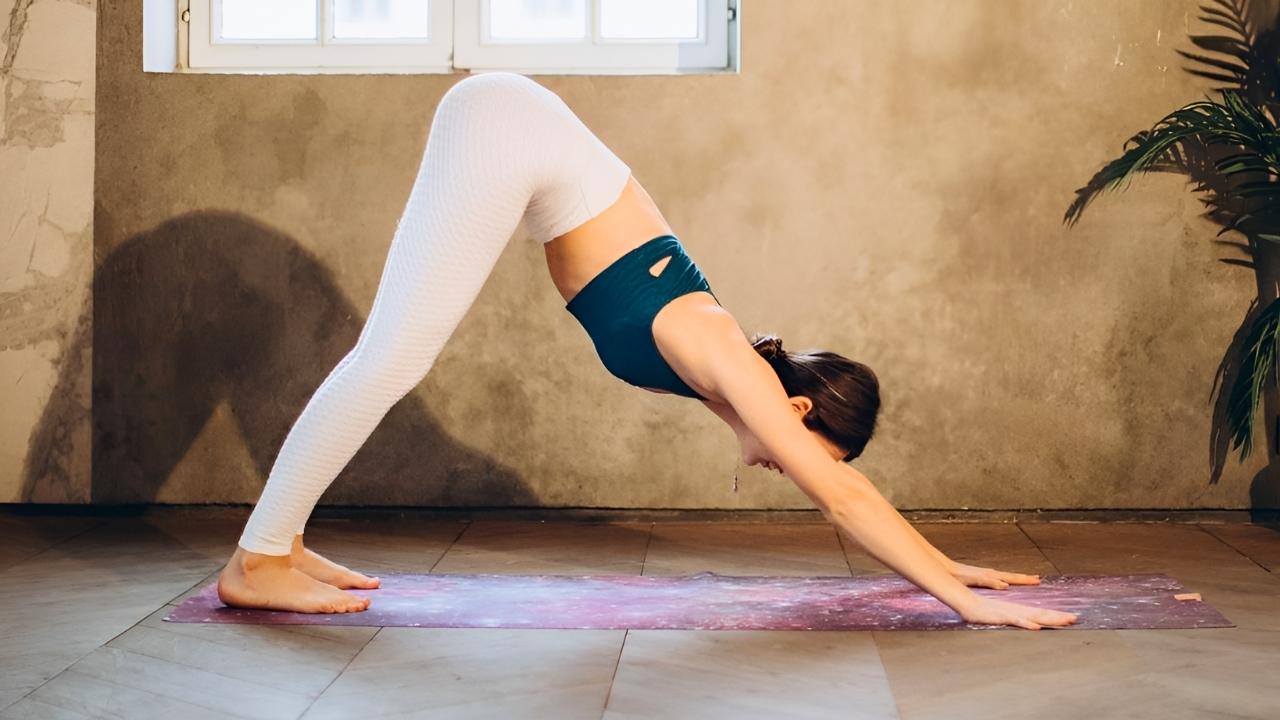
Downward Dog is a foundational pose that engages the entire body while remaining accessible to beginners. Bent knees and relaxed heels make this pose comfortable while still strengthening the arms, shoulders, and legs. The spine lengthens naturally, improving posture and circulation. This pose also energizes the body and sharpens focus. With regular practice, beginners build endurance and confidence while preparing the body for more dynamic yoga sequences.
Gentle Twist Improves Mobility
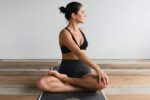
Seated Twist introduces controlled spinal rotation in a safe and manageable way. Beginners learn to rotate the torso gradually, guided by the breath rather than force. This pose supports digestion, improves spinal mobility, and releases tension in the lower back. It also enhances posture awareness by encouraging length through the spine before twisting. Practicing gentle twists regularly helps the body stay flexible and reduces stiffness caused by repetitive daily movements.
Deep Relaxation Resets Body
Corpse Pose is often underestimated, yet it is essential for beginners. Lying still allows the body to absorb the benefits of practice while calming the nervous system. Muscles release deeply, and stress levels naturally decrease. Many beginners become aware of hidden tension only when fully relaxed. This pose improves sleep quality, emotional balance, and mental clarity. Ending each session with Corpse Pose reinforces the importance of rest and recovery.
Breath Connects Every Pose
Breathing is the foundation of yoga, especially for beginners. Slow, steady breathing helps stabilize movement and keeps the body relaxed during poses. Conscious breathing improves oxygen flow and reduces fatigue. When breath and movement work together, yoga becomes a mindful experience rather than a physical workout alone. Beginners who focus on breathing develop better body awareness and carry this calm breathing pattern into daily life, improving focus and emotional control.
Consistency Matters More Flexibility
Flexibility is often misunderstood as the main goal of yoga, but consistency delivers greater benefits. Beginners progress best by practicing regularly rather than pushing their limits. Gentle daily sessions allow muscles and joints to adapt safely over time. Avoiding overstretching reduces the risk of injury and burnout. With consistency, strength, balance, and flexibility improve naturally. Yoga rewards patience, making steady practice more valuable than dramatic results.
Creating A Simple Routine
Beginners do not need complex routines to see benefits. Combining a few basic poses into a short daily practice is enough to build strength and mobility. A routine lasting 15 to 20 minutes fits easily into busy schedules. Observing how the body feels during and after practice helps beginners adjust movements safely. This personalized approach keeps yoga enjoyable and sustainable, encouraging long-term commitment rather than quick fixes.
Yoga Supports Mental Clarity
Beyond physical benefits, beginner yoga improves mental clarity and emotional balance. Gentle movement paired with mindful breathing helps reduce anxiety and mental fatigue. Over time, practitioners notice improved focus, patience, and stress management. Yoga creates a pause in the day where attention shifts inward. This mental reset is one of the reasons beginners often stick with yoga, as the benefits extend far beyond the mat into everyday life.
Final Thoughts
Yoga for beginners is about building a healthy relationship with movement, breath, and self-awareness. These easy poses offer a balanced introduction without pressure or complexity. Practiced consistently, they improve strength, mobility, posture, and mental calm. Starting with simple poses allows beginners to progress naturally while respecting their body’s limits. Yoga becomes most powerful when it feels supportive rather than demanding, making it a sustainable practice for long-term well-being.