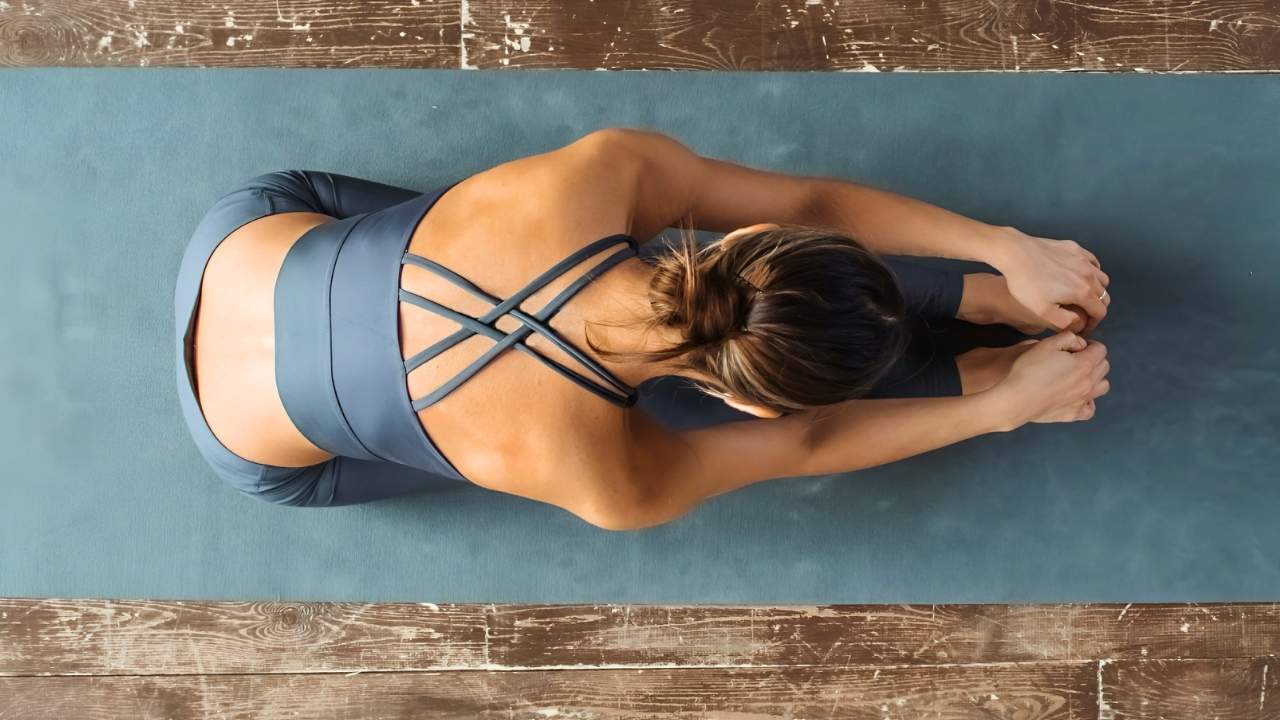
Pilates vs Yoga: Pilates and Yoga are often mentioned in the same breath, but choosing between them is not as simple as picking what looks good on social media. Many people start one of these practices expecting quick results, only to feel confused when their body responds differently than expected. While both focus on controlled movement and body awareness, their goals, techniques, and long-term benefits are not the same. Understanding these differences clearly can help you make a smarter choice for your body, lifestyle, and fitness goals.
Philosophy Behind Each Practice
Yoga is rooted in a holistic philosophy that connects physical movement with breath awareness and mental clarity. Its foundation is built around balance, patience, and long-term well-being. Pilates follows a more functional and anatomical approach. It treats the body as a system where posture, muscle control, and alignment must work together efficiently. Yoga encourages inner connection and mindfulness, while Pilates prioritizes precision, structure, and physical optimization.
Core Strength Is The Key
Pilates places core strength at the center of every movement. It targets deep stabilizing muscles that support the spine and protect the lower back. These muscles are often neglected in traditional workouts. Yoga also engages the core, but mostly as a supportive element while holding poses. In Pilates, the core initiates movement. In Yoga, the core assists balance. This is why Pilates is often recommended for posture improvement and back support.
Flexibility Versus Control
Yoga is widely known for improving flexibility through extended stretches and sustained poses. Over time, this helps muscles lengthen and joints move more freely. Pilates improves flexibility differently by combining strength with controlled movement. Muscles are trained to stay stable before being stretched. Yoga can feel more open and expansive, while Pilates feels controlled and structured. Both improve mobility, but through very different methods.
Posture Correction Impact
Modern lifestyles have created serious posture issues, especially for people who sit for long hours. Pilates directly addresses this problem by strengthening muscles responsible for alignment. Shoulder position, spinal stability, and hip balance are central to Pilates training. Yoga improves posture indirectly by increasing body awareness and balance. Pilates treats posture as a technical skill, while Yoga treats posture as a natural result of mindful movement.
Breathing Changes Everything
Breathing plays a major role in both practices, but the intention is different. Yoga uses slow, deep breathing to calm the nervous system and improve mental focus. This breathing style encourages relaxation and emotional balance. Pilates uses controlled breathing to support muscle engagement and movement efficiency. Breath is used as a mechanical tool rather than a meditative one. Yoga relaxes the mind through breath, Pilates supports the body through breath.

Weight Loss Expectations
Neither Pilates nor Yoga should be seen as instant weight loss solutions. Yoga supports weight management by reducing stress, which can help control emotional eating. Pilates helps by building lean muscle, which increases metabolic efficiency over time. Pilates often leads to visible body shaping, while Yoga contributes to long-term lifestyle balance. Results are gradual, sustainable, and best when combined with proper nutrition.
Injury Recovery And Prevention
Pilates was originally developed to help people recover from injuries, which is why it is still widely used in rehabilitation programs. Its low-impact movements strengthen muscles without placing excessive stress on joints. Yoga can also support recovery, but some poses require careful modification to avoid strain. Pilates offers more controlled movement patterns, making it a preferred choice for people with back pain or mobility issues.
Mental Health Benefits Compared
Yoga is deeply connected to mental well-being. Regular practice can reduce anxiety, improve sleep, and create emotional stability. Meditation and breath awareness enhance these effects. Pilates offers mental benefits in a different way. The intense focus required during movements helps improve concentration and mental clarity. Yoga calms the mind, while Pilates sharpens it. Both support mental health, but through different pathways.
Time And Energy Requirements
Yoga sessions often follow a slower rhythm and include relaxation or meditation at the end. This makes Yoga ideal for people who want a calming routine. Pilates sessions are more compact and focused, delivering intense muscle engagement in less time. Pilates suits busy schedules where efficiency matters. Yoga fits those who view exercise as a restorative daily ritual rather than just a workout.
Equipment And Accessibility
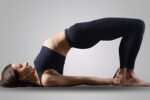
Yoga requires minimal equipment, usually just a mat and comfortable space. It is easy to practice at home, outdoors, or while traveling. Pilates can be mat-based but often involves specialized equipment like reformers, which are usually found in studios. This makes Pilates slightly more expensive and structured. Yoga offers flexibility and accessibility, while Pilates offers guided precision.
Body Awareness Development
Yoga teaches you to listen to your body and respect its limits. Awareness grows through slow movement and breath connection. Pilates trains you to control your body with accuracy. Every small movement has intention. Yoga builds internal awareness, Pilates builds muscular awareness. Both improve the mind-body connection, but from different perspectives.
Beginner Friendly Or Not
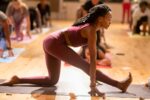
Yoga often feels more welcoming to beginners because movements are slower and easily modified. Pilates can feel challenging at first due to its focus on technique and muscle control. However, once the basics are understood, Pilates builds strong confidence and body stability. Both practices can be beginner-friendly when taught correctly, but learning styles differ.
Athletes And Active Lifestyles
Pilates is popular among athletes because it improves core strength, balance, and injury resistance. It enhances movement efficiency, which translates directly into better performance. Yoga helps athletes with recovery, flexibility, and mental focus. Pilates builds power and control, while Yoga supports recovery and mobility. Many athletes use both to stay balanced.

How Each Fits Daily Life
Yoga often becomes part of a lifestyle that includes mindful habits and daily routines. It influences sleep, breathing, and stress management. Pilates fits into life more subtly by improving posture, movement quality, and physical confidence. Yoga feels like a philosophy, Pilates feels like a physical upgrade. The right choice depends on your mindset and daily routine.
Long Term Results Perspective
Yoga offers long-term benefits that extend beyond physical appearance. Emotional balance, flexibility, and stress management improve with consistency. Pilates delivers long-term physical strength, better posture, and reduced injury risk. Yoga transforms how you feel, Pilates transforms how you move. Both require patience and consistency for meaningful results.
Conclusion
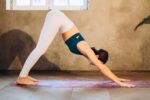
Pilates and Yoga are not competitors; they are complementary tools with different strengths. Pilates builds a strong, stable, and resilient body. Yoga creates flexibility, calmness, and mental balance. The best choice depends on your current needs and goals. If possible, combining both can offer a complete approach to physical and mental well-being. The smartest fitness decision is choosing what supports your body today while protecting it for the future.