What Are the 8 Limbs of Yoga: Yoga is not just a workout trend or a flexibility routine. At its core, yoga is a complete system for living well, thinking clearly, and understanding yourself better. Long before yoga studios existed, ancient teachings described yoga as a step-by-step path toward balance and inner freedom. One of the most respected frameworks within yoga is the Eight Limbs of Yoga, a guide that helps people move from everyday habits to deep self-awareness. These limbs are practical, timeless, and surprisingly relevant to modern life.
Moral Choices Shape Yoga Life
The first limb of yoga focuses on ethical behavior and conscious living. It teaches how our actions affect both ourselves and others. Principles like non-violence, honesty, moderation, and non-attachment are central here. This limb is not about moral pressure but about reducing inner conflict. When actions align with values, the mind becomes lighter and calmer. This foundation helps prevent stress, guilt, and emotional imbalance, creating a stable base for deeper yoga practices.

Daily Habits Build Inner Strength
This limb shifts attention toward personal discipline and self-care. It encourages cleanliness of body and mind, gratitude for what we have, and self-reflection. Small daily habits like mindful eating, thoughtful speech, and consistent routines fall under this stage. Over time, these habits strengthen mental resilience. Instead of reacting impulsively, a person becomes more grounded. This limb reminds us that inner growth starts with how we treat ourselves every single day.
Postures Prepare Body And Mind
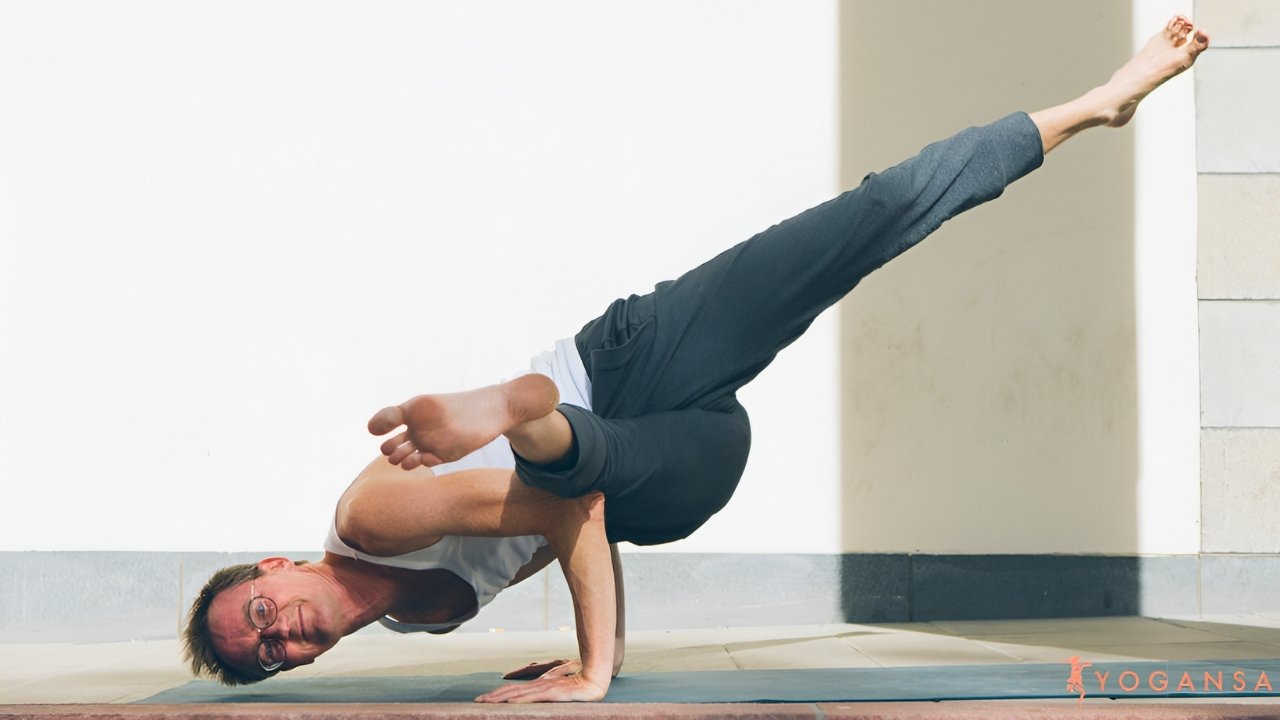
Physical postures are often misunderstood as the main goal of yoga, but they serve a deeper purpose. This limb focuses on developing strength, flexibility, balance, and comfort in the body. When the body feels steady and relaxed, the mind follows naturally. Proper posture practice also improves breathing, circulation, and joint health. Beyond fitness, postures teach patience and awareness, making them a powerful tool for mental and emotional preparation.

Breath Awareness Controls Energy
Breath plays a vital role in regulating both physical energy and emotional states. This limb teaches conscious breathing techniques that influence the nervous system. Slow, controlled breathing can reduce anxiety, sharpen focus, and stabilize mood. Unlike shallow unconscious breathing, mindful breathwork builds awareness moment by moment. Over time, it becomes easier to remain calm under pressure. This stage shows that the breath is not just automatic, but a powerful tool for self-control.
Senses Learn To Settle
Modern life constantly pulls attention outward through screens, noise, and endless information. This limb teaches the art of gently withdrawing from sensory overload. It does not mean isolation or avoidance, but rather learning when to disengage. When the senses calm down, the mind stops chasing stimulation. This inward shift creates mental clarity and emotional balance. Practicing this step helps people respond thoughtfully instead of reacting automatically to external triggers.

Focus Strengthens Mental Discipline
This limb trains the mind to stay present with one object, thought, or sensation. In a world filled with distractions, focused attention becomes a rare skill. Concentration improves decision-making, creativity, and emotional control. By practicing steady focus, the mind becomes less scattered and more powerful. This stage is essential for reducing mental fatigue and overthinking. It lays the groundwork for deeper states of awareness and meditation.
Meditation Creates Inner Silence
Meditation goes beyond concentration by allowing the mind to settle into effortless awareness. Thoughts may still arise, but they no longer dominate attention. This limb brings emotional balance, improved self-awareness, and long-term mental clarity. Regular meditation can reduce stress, improve sleep, and increase emotional intelligence. Rather than escaping reality, meditation helps individuals understand it more clearly. This practice reveals calmness that exists beneath daily mental noise.

Unity Beyond The Ego
The final limb represents a state where separation fades and awareness becomes expansive. This experience is not about losing identity but about transcending constant self-centered thinking. In this state, peace feels natural rather than forced. It often develops gradually through consistent practice of all previous limbs. This stage reflects the highest potential of yoga, where inner freedom replaces fear, attachment, and suffering. It is less about achievement and more about deep understanding.
How Limbs Work Together
The Eight Limbs of Yoga are not meant to be practiced in isolation. Each limb supports the others, forming a complete system. Ethical living supports mental peace, physical health supports meditation, and breath control supports emotional balance. Skipping steps does not break the system, but steady progress strengthens results. Yoga becomes more effective when viewed as a lifestyle rather than a single activity. Balance grows naturally when all limbs work together.
Modern Life Needs Ancient Wisdom
Despite being ancient, the Eight Limbs address modern challenges perfectly. Stress, distraction, anxiety, and emotional burnout are common today. These teachings offer practical tools to manage them. Ethical clarity reduces conflict, discipline builds stability, movement improves health, and meditation calms the mind. Yoga becomes a guide for living with awareness in a fast-paced world. Its relevance proves that human struggles have remained the same across centuries.
Yoga Beyond Physical Practice
True yoga extends beyond the mat into daily choices, relationships, and mindset. It influences how we speak, listen, work, and rest. When practiced holistically, yoga improves emotional intelligence and self-awareness. It teaches balance rather than extremes. The Eight Limbs remind us that physical flexibility means little without mental clarity and emotional stability. Yoga becomes meaningful when it transforms everyday life, not just physical appearance.

Final Conclusion
The Eight Limbs of Yoga offer a complete roadmap for personal growth, inner peace, and conscious living. They guide the journey from external behavior to deep inner awareness, step by step. You do not need perfection or years of experience to begin. Even small changes inspired by these principles can create powerful transformation. Yoga, in its truest form, is not about performance but about awareness, balance, and lasting inner freedom.