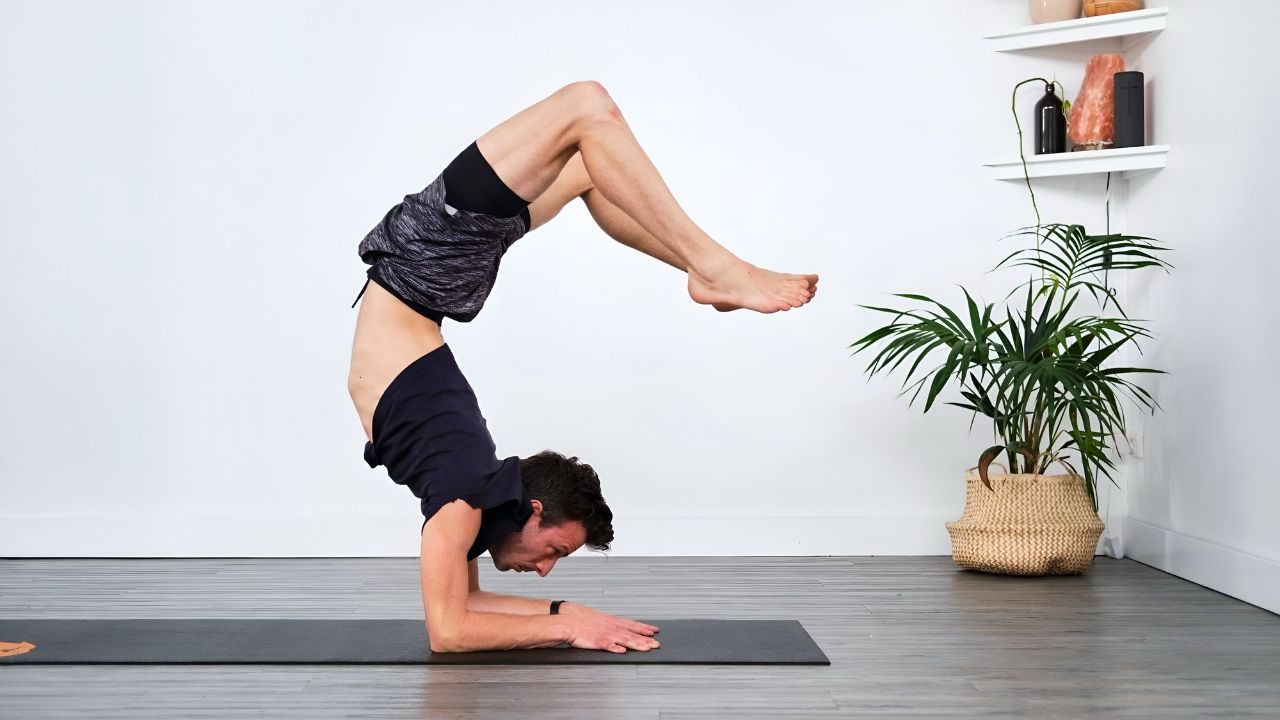
Pincha Mayurasana Prep: Pincha Mayurasana, also known as the forearm stand, is one of those yoga poses that instantly commands respect. It looks powerful, graceful, and fearless all at once. But behind that effortless appearance lies intelligent preparation, patience, and body awareness. Jumping straight into forearm stand without proper prep often leads to shoulder pain, instability, or fear of falling. A smart preparation routine not only makes the pose safer but also builds real strength and confidence. Understanding how to train your body step by step is the key to mastering Pincha Mayurasana sustainably.
Shoulder Power Is Non Negotiable
Strong shoulders are the true foundation of a safe forearm stand. In Pincha Mayurasana, your shoulders act as the main weight-bearing joints, supporting the entire body against gravity. Without sufficient shoulder strength, the neck and lower back tend to take unnecessary load. Regular practice of shoulder-focused exercises trains your muscles to lift, stabilize, and protect the joints. Over time, this strength allows you to stay light on your head and steady through the arms, reducing strain and increasing control.
Shoulder Mobility Creates Vertical Freedom
Even strong shoulders can struggle if mobility is limited. Tight shoulders restrict your ability to stack the body vertically, forcing compensation through the spine. Improving shoulder flexibility allows your arms to move freely overhead while maintaining stability. Mobility-focused drills open the chest, lengthen tight muscles, and create better alignment. As shoulder mobility improves, the forearm stand feels less compressed and more spacious, making balance easier and breathing smoother in the inverted position.
Upper Back Stability Prevents Collapse
One of the most common issues in forearm stand is sinking between the shoulder blades. This collapse usually comes from weak or inactive upper back muscles. The upper back plays a crucial role in lifting the shoulders away from the ears and maintaining structure. Strengthening this area helps keep the pose tall and controlled. When the upper back is active, the entire posture feels more organized, reducing pressure on sensitive areas like the neck.

Core Control Keeps You Centered
Core strength is what turns a kick-up into a controlled lift. In Pincha Mayurasana, the core keeps the ribs from flaring and the legs from swinging out of control. A stable core helps maintain a straight line from shoulders to toes. Core-focused prep exercises teach engagement without stiffness. With consistent training, you gain the ability to make small adjustments mid-air, which is essential for holding the pose steadily and exiting safely.
Forearm Strength Builds Ground Trust
Forearms are your direct connection to the floor in Pincha Mayurasana. Weak forearms often lead to shaking, discomfort, and early fatigue. Strengthening them improves endurance and helps distribute weight evenly. Over time, your forearms become reliable pillars that support balance and alignment. When the forearms feel strong and steady, mental confidence increases, allowing you to focus more on technique rather than fear or discomfort.

Wrist Relief Through Smart Preparation
Although wrists are not weight-bearing in forearm stand like they are in handstand, they still play a supportive role during transitions and preparation poses. Proper wrist conditioning prevents strain and improves overall comfort. Gentle mobility and strengthening exercises keep the wrists healthy and responsive. A balanced prep routine ensures that wrists, elbows, and shoulders work together harmoniously, reducing the risk of overuse injuries during regular practice.
Wall Support Used With Intention
The wall is one of the most effective tools for learning Pincha Mayurasana, but only when used mindfully. Instead of relying on momentum, wall-supported practice should focus on alignment and strength. The wall helps you understand how a straight forearm stand feels without worrying about balance. This method builds muscle memory and confidence. Gradually, as strength improves, the wall becomes a reference point rather than a crutch.
Balance Comes From Awareness Not Force
Many practitioners assume balance in forearm stand comes from kicking harder or squeezing tighter. In reality, balance develops from awareness and subtle control. Learning how weight shifts through the forearms and shoulders teaches you how to self-correct. Small movements in the hips or legs can restore balance when practiced mindfully. This awareness transforms Pincha Mayurasana from a struggle into a calm, controlled experience.
Leg Engagement Shapes The Pose
Legs are not passive in forearm stand. Proper leg engagement helps maintain alignment and prevents the lower body from pulling you out of balance. Strong, active legs create upward energy and contribute to stability. Training leg engagement during prep exercises builds coordination between upper and lower body. When legs work with the core instead of against it, holding the pose becomes significantly easier and more refined.
Safe Entry Techniques Reduce Fear
Fear is a major barrier when learning inversions. Safe entry techniques teach you how to lift into forearm stand with control rather than force. Controlled kick-ups and tuck entries help build trust in your strength. These methods reduce the risk of overbalancing and falling. Practicing safe entries consistently trains both the body and mind, making the pose feel approachable instead of intimidating.
Exiting With Control Protects Joints
Learning how to come down from Pincha Mayurasana safely is just as important as getting up. Uncontrolled exits can strain shoulders, elbows, or the lower back. Practicing slow, mindful exits builds joint awareness and control. This skill protects the body during fatigue and helps maintain long-term joint health. Controlled exits also reinforce confidence, knowing you can leave the pose safely at any time.
Breath Keeps The Nervous System Calm
Breathing often becomes shallow or held during challenging inversions. In Pincha Mayurasana, steady breathing keeps the nervous system calm and focused. Controlled breath helps release unnecessary tension and improves balance. Practicing breath awareness during preparation poses conditions the body to stay relaxed under effort. When breath and movement align, the forearm stand feels more sustainable and less stressful.
Consistency Builds Real Progress
Forearm stand mastery is not achieved through occasional intense practice. Consistency is what creates lasting strength and confidence. Short, regular sessions allow the body to adapt safely. Each practice builds upon the last, gradually improving endurance, balance, and control. Consistent preparation also helps identify weaknesses early, allowing you to adjust your training intelligently rather than pushing through discomfort.

Listening To The Body Matters Most
Every body is different, and progress timelines vary. Listening to your body prevents overtraining and injury. Some days strength feels high, while other days mobility may be limited. Adjusting your practice based on how you feel ensures sustainability. Respecting rest days and recovery is part of intelligent training. Long-term success in Pincha Mayurasana depends on awareness, not force.
Mental Focus Shapes Physical Success
Pincha Mayurasana challenges mental strength as much as physical ability. Fear, doubt, and impatience often surface during inversion practice. Developing focus and patience helps overcome these mental barriers. Visualization, controlled breathing, and mindful repetition build confidence. A calm mindset allows smoother transitions and better balance, turning the pose into a meditative experience rather than a stressful one.

Conclusion
Mastering Pincha Mayurasana safely is a journey built on preparation, awareness, and consistency. Shoulder strength, mobility, core control, and mindful balance work together to create stability upside down. Rushing the pose often leads to setbacks, while intelligent preparation builds long-term confidence and safety. With the right exercises and patient practice, forearm stand transforms from a challenge into a powerful expression of strength, control, and inner calm.