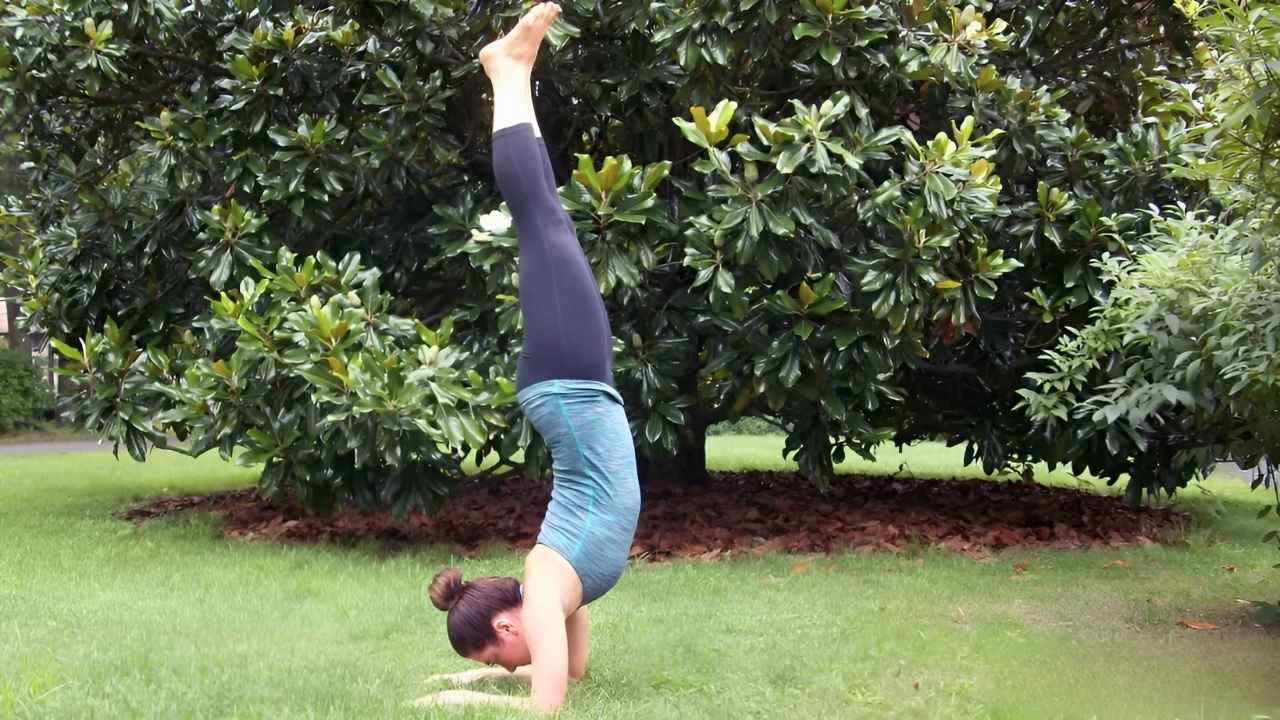
Headstand for Beginners: Headstand often looks powerful, calm, and almost effortless when practiced correctly. For beginners, however, it can feel like a distant goal that seems risky or overwhelming. The truth is that headstand is not about forcing your body upside down. It is a gradual process of building awareness, strength, and trust in your own balance. When practiced safely, it can improve focus, posture, and body control. This guide explains headstand in a clear, beginner-friendly way so you can approach it with confidence instead of fear.
Why headstand feels intimidating
Headstand challenges the natural fear of falling and losing control. Being upside down shifts blood flow, orientation, and balance, which can feel unfamiliar at first. Many beginners worry about neck pressure or falling backward. These concerns are valid and should not be ignored. The pose demands patience rather than courage. When you understand that balance comes from the arms and core instead of the head, the fear slowly fades. Learning at your own pace removes most of the intimidation associated with this pose.

Body readiness matters first
Before attempting headstand, your body needs a basic level of strength and mobility. Weak shoulders, tight hamstrings, or poor core control can make the pose unsafe. This does not mean you need advanced fitness. Simple preparation like shoulder mobility, forearm strength, and gentle core engagement is enough. Rushing into headstand without preparation often leads to strain. Taking time to prepare your body builds a solid foundation and reduces the risk of injury significantly.
Neck safety comes first
The neck is sensitive and should never carry your full body weight in a headstand. Beginners often make the mistake of pressing the head into the floor. Proper technique distributes weight through the forearms and shoulders while the head only lightly touches the mat. Keeping the neck long and relaxed protects the spine. Practicing against a wall or under guidance helps you understand how little pressure the neck should actually take during the pose.

Building shoulder stability early
Strong and stable shoulders are the true pillars of a safe headstand. When the shoulders collapse, pressure shifts to the neck, increasing injury risk. Beginners should focus on engaging the shoulder blades and pressing the forearms firmly into the floor. This creates lift through the upper body. Shoulder stability improves balance and control, making the pose feel lighter. Over time, this strength also improves posture and upper-body awareness in daily movements.
Core control creates balance
Balance in headstand does not come from the legs swinging upward. It comes from controlled core engagement. Activating the abdominal muscles keeps the body aligned and steady. Beginners often kick up too hard, which throws the body off balance. Learning to lift slowly with core control builds confidence and prevents falls. A strong core also helps you exit the pose safely, which is just as important as entering it.
Wall support builds confidence
Using a wall is not a shortcut; it is a smart learning tool. Wall support allows beginners to feel the inverted position without fear of falling. It also helps you understand alignment and weight distribution. Instead of kicking forcefully, gently walk your feet up the wall. Over time, you can practice lifting one leg away from the wall. This gradual method builds confidence and muscle memory without unnecessary risk.
Proper hand and arm setup
The placement of hands and arms plays a major role in headstand stability. Elbows should be shoulder-width apart, not splayed outward. Interlacing the fingers creates a stable base, but beginners should avoid gripping too tightly. The forearms press evenly into the floor, creating a strong triangular foundation. Correct arm setup reduces wobbling and helps maintain balance, allowing the pose to feel controlled rather than chaotic.

Breathing keeps you steady
Holding your breath is a common beginner mistake. Shallow or tense breathing increases instability and panic. Slow, steady breathing helps calm the nervous system and improves balance. In headstand, breath awareness keeps the body relaxed even while working hard. Inhaling deeply and exhaling slowly creates rhythm and focus. This connection between breath and movement is what transforms headstand from a struggle into a mindful practice.
Learning safe entry methods
Entering headstand safely is more important than reaching full height. Beginners should avoid jumping or kicking aggressively. A slow lift using bent knees keeps the center of gravity close to the base. This controlled entry reduces strain on the neck and shoulders. Practicing the entry repeatedly builds muscle memory and confidence. Over time, the movement becomes smoother and more controlled without relying on momentum.

Knowing when to exit
Coming down safely is often overlooked. Losing balance during exit can cause sudden strain. Beginners should lower one leg at a time with control rather than dropping both legs together. Keeping the core engaged and breathing steady ensures a smooth exit. After coming down, resting in a neutral pose helps the body adjust. Learning to exit mindfully completes the practice and protects against dizziness or discomfort.
Common beginner mistakes explained
Many beginners rush progress or compare themselves to others. This leads to overuse of momentum, poor alignment, or ignoring discomfort. Another common mistake is practicing on hard surfaces without support. Headstand should always be practiced on a cushioned mat. Listening to your body is essential. Pain is not part of progress. Avoiding these mistakes makes your practice safer and more sustainable in the long run.

Frequency and practice balance
Headstand does not need daily repetition to improve. Practicing two to three times a week allows the body to adapt and recover. Overtraining can cause shoulder or neck strain. Beginners should focus on quality rather than duration. Short, mindful practice sessions produce better results than long, forced attempts. Balance between effort and rest keeps the practice enjoyable and injury-free.
Mental focus shapes success
Headstand is as much a mental challenge as a physical one. Fear, doubt, and impatience often disrupt balance more than weak muscles. Staying calm and focused helps the body respond correctly. Visualizing stability and breathing deeply can improve confidence. Each attempt builds mental resilience. With time, the pose becomes less about fear and more about inner calm and concentration.

Progress looks different for everyone
There is no universal timeline for mastering headstand. Some beginners feel comfortable quickly, while others take months. Both are completely normal. Progress should be measured by improved control and confidence, not just time spent upside down. Respecting your own pace prevents frustration and burnout. Headstand is a personal journey, not a competition or performance.
Conclusion
Headstand is not about conquering gravity but about understanding your body. For beginners, safety, patience, and awareness matter far more than reaching a perfect pose. Building strength gradually, respecting limits, and focusing on proper alignment transform headstand into a rewarding practice. When approached thoughtfully, it enhances balance, focus, and self-trust. The real success of headstand lies not in how long you stay upside down, but in how safely and confidently you arrive there.