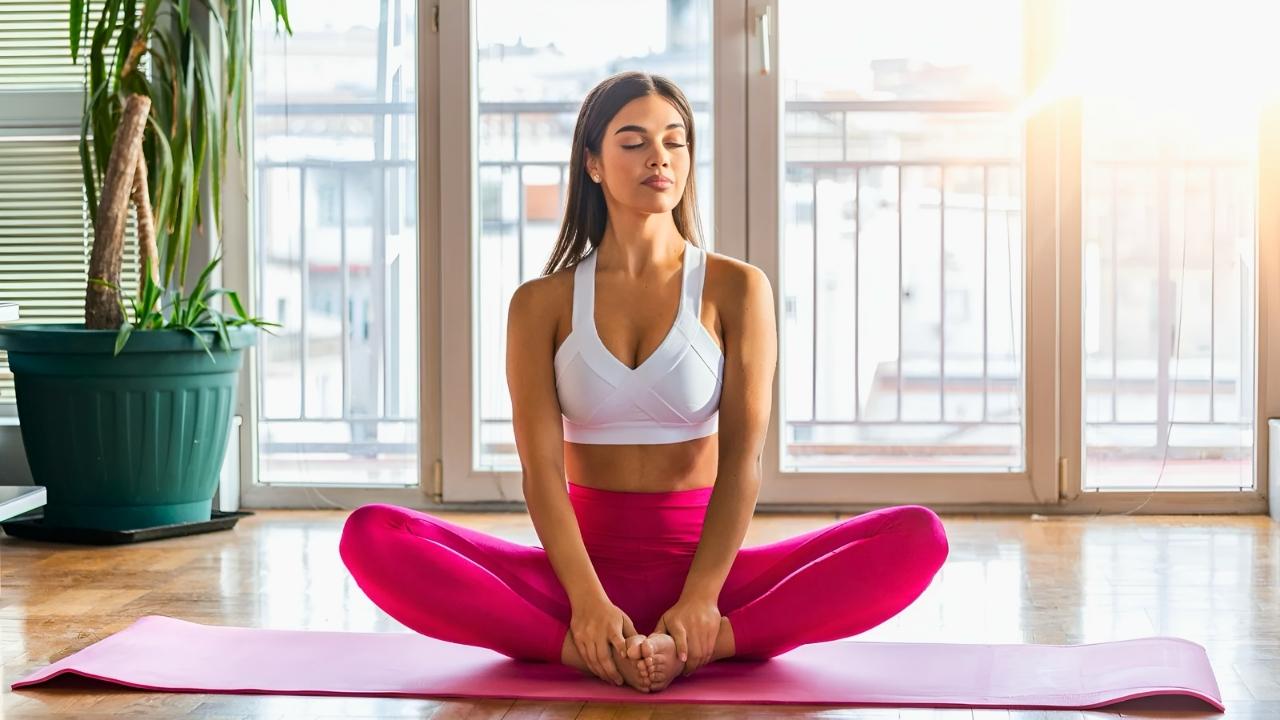
Unlock Stiff Hips Fast: Tight hips are more common than most people realize. Long hours at a desk, driving, intense gym sessions, or even stress can slowly reduce hip mobility. When hips become stiff, the entire body feels restricted. Walking feels heavier, lower back pain appears more frequently, and workouts lose their fluidity. The hips are a central junction of movement, and when they stop moving freely, everything else compensates.
Restoring hip flexibility does not require extreme stretching or painful routines. A focused yoga practice can gradually unlock stiffness, improve circulation, and help you regain natural movement. With the right poses and mindful breathing, you can experience noticeable changes in strength, posture, and comfort. Here is a fresh, powerful guide to yoga poses that truly help open tight hips.

Stiff Hips Are Stealing Your Energy
Hip stiffness does more than limit flexibility. It affects posture, balance, and even breathing patterns. Tight hip flexors can pull the pelvis forward, creating lower back strain and poor spinal alignment. Weak glutes combined with shortened muscles reduce power in everyday movements like climbing stairs or standing up.
Yoga works by gently lengthening tight muscles while strengthening surrounding support structures. This balanced approach helps restore natural alignment rather than forcing flexibility. When hips move freely, energy flows better through the body, and physical activities feel smoother and less exhausting.
Butterfly Pose Unlocks Inner Tension
Butterfly Pose is one of the most accessible and effective hip openers. Sitting upright with the soles of your feet pressed together allows gravity to gradually stretch the inner thighs and groin. Instead of pushing your knees downward, focus on lengthening your spine and relaxing your hips with each exhale.
Slow breathing enhances muscle release and improves blood flow to the hip joints. Over time, this pose reduces tightness in the adductors and improves mobility during walking and squatting. Consistency is key. Even holding this posture for one minute daily can create noticeable flexibility gains.
Low Lunge Awakens Sleeping Flexors
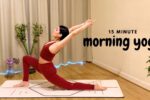
Prolonged sitting shortens the hip flexors, creating stiffness and imbalance. Low Lunge directly targets this issue. Stepping one foot forward and lowering the opposite knee to the mat stretches the front of the hip while engaging stabilizing muscles.
Lift your chest and gently press your hips forward without collapsing your lower back. This controlled engagement prevents strain and promotes healthy muscle activation. Low Lunge improves stride length, supports better posture, and reduces lower back tension. Practicing it regularly counteracts the negative effects of sedentary routines.
Pigeon Pose Melts Deep Tightness
Pigeon Pose works deeper into the outer hips and glutes. From a plank position, bringing one knee forward and extending the opposite leg back creates a powerful stretch in the hip rotators. Many people store hidden tension in these muscles, especially after intense workouts or prolonged sitting.
Lowering your torso forward increases intensity, but support under the hip can make the pose more accessible. Deep breathing helps muscles relax instead of resisting the stretch. Over time, Pigeon Pose enhances hip rotation, improves athletic performance, and eases tension linked to sciatic discomfort.
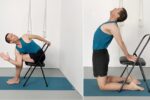
Malasana Restores Natural Movement
Malasana, also known as Yogic Squat, reconnects you with a fundamental human movement pattern. Squatting used to be natural in daily life, but modern chairs have reduced this motion. Lowering into a deep squat opens the hips, stretches the ankles, and strengthens stabilizing muscles.
Keep your chest lifted and use your elbows to gently press your knees outward. If your heels lift, place a folded towel beneath them. Practicing Malasana improves joint mobility, digestion, and balance. It is a functional movement that directly translates into better everyday mobility.
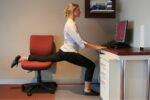
Happy Baby Releases Hidden Stress
Happy Baby Pose looks playful, but it delivers serious benefits. Lying on your back and holding the outer edges of your feet opens the inner hips while protecting the spine. Pulling the knees toward the floor gently stretches tight muscles around the hip socket.
This pose also helps release emotional tension stored in the hips. Gentle rocking from side to side adds a soothing massage effect for the lower back. Practicing Happy Baby at the end of a session helps integrate flexibility gains and leaves the body feeling relaxed yet mobile.
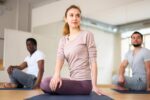
Dynamic Flow Boosts Circulation
Static stretching alone may not fully unlock stiff hips. Adding gentle dynamic movements increases blood flow and warms connective tissues. Transitioning slowly between Low Lunge and Half Split improves both hip flexor and hamstring mobility.
Controlled movement prevents overstretching and enhances joint lubrication. Dynamic sequences stimulate muscle activation while improving flexibility safely. Including these flowing transitions in your yoga routine accelerates progress and supports long term joint health.
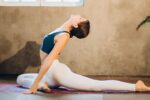
Strength Matters As Much As Stretch
Opening the hips is not only about stretching. Strengthening the glutes and core ensures stability and prevents future stiffness. Bridge Pose activates the glutes and supports pelvic alignment. Holding the bridge for several breaths strengthens the posterior chain while gently stretching the hip flexors.
Balanced strength around the hips reduces strain on the knees and lower back. Combining hip openers with strengthening poses creates lasting improvements rather than temporary flexibility. Strong hips move better and recover faster after physical activity.
Breathwork Accelerates Release
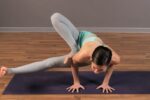
Breathing plays a critical role in unlocking stiff hips. Deep diaphragmatic breathing signals the nervous system to relax. When muscles feel safe, they release tension more easily. In each pose, inhale slowly through your nose and exhale fully, allowing the hips to soften.
Holding your breath creates resistance in the muscles. Conscious breathing improves oxygen flow and enhances recovery. Pairing breath awareness with hip opening yoga maximizes results and reduces the risk of injury.
Build A Simple Weekly Plan
Consistency creates change. Practicing hip-opening yoga three to four times per week can produce visible improvements within a month. Begin with Butterfly Pose, move into Low Lunge on both sides, transition to Pigeon Pose, and finish with Malasana and Happy Baby.
Hold each pose for at least forty five seconds while maintaining steady breathing. Gradually increase duration as flexibility improves. Tracking progress through small mobility tests like deeper squats can help measure results and stay motivated.
Listen Closely To Your Body
Pushing aggressively into stretches can cause irritation rather than improvement. Mild discomfort is acceptable, but sharp pain signals the need to ease off. Using props such as yoga blocks or cushions supports safe alignment.
Hydration, gentle walking, and light movement throughout the day complement your yoga practice. Recovery matters just as much as stretching. A mindful approach ensures long term hip health without setbacks.
Freedom Starts With Movement
Stiff hips can limit your potential, but they are not permanent. A smart yoga routine that combines stretching, strengthening, breathwork, and consistency can restore natural movement. These poses gradually release tension, improve circulation, and strengthen supporting muscles.
When your hips move freely, daily life feels easier and workouts become more powerful. Commit to regular practice, stay patient with progress, and allow your body time to adapt. Mobility is not about forcing flexibility. It is about restoring balance and reclaiming comfortable, confident movement for years to come.