2026 Pain-Free Back Guide: Lower back discomfort has become one of the most common physical complaints in 2026. From remote work setups to long commutes and extended screen time, daily routines are placing constant pressure on the spine. Many people stretch their backs or take pain relief, yet the discomfort keeps returning. The real issue often lies deeper than tight muscles. It begins with weak or inactive deep core muscles that fail to properly support the lower back.
Your spine relies on a network of stabilizing muscles that work quietly in the background. When these muscles are not activated correctly, the lower back absorbs more load than it should. Over time, that imbalance leads to stiffness, instability, and recurring pain. The good news is that targeted movement can reawaken these deep stabilizers. The following exercises are simple, safe, and designed to build lasting spinal support.

Unlock Hidden Core Power
Most people think core strength means visible abdominal muscles. In reality, the most important muscles are the ones you cannot see. The transverse abdominis wraps around your torso like a natural belt, while the multifidus runs along the spine to maintain alignment. When these muscles activate properly, they reduce pressure on spinal discs and joints. Strengthening them improves posture, enhances balance, and creates a stable foundation for everyday movement without stressing the lower back.
Master the Abdominal Brace
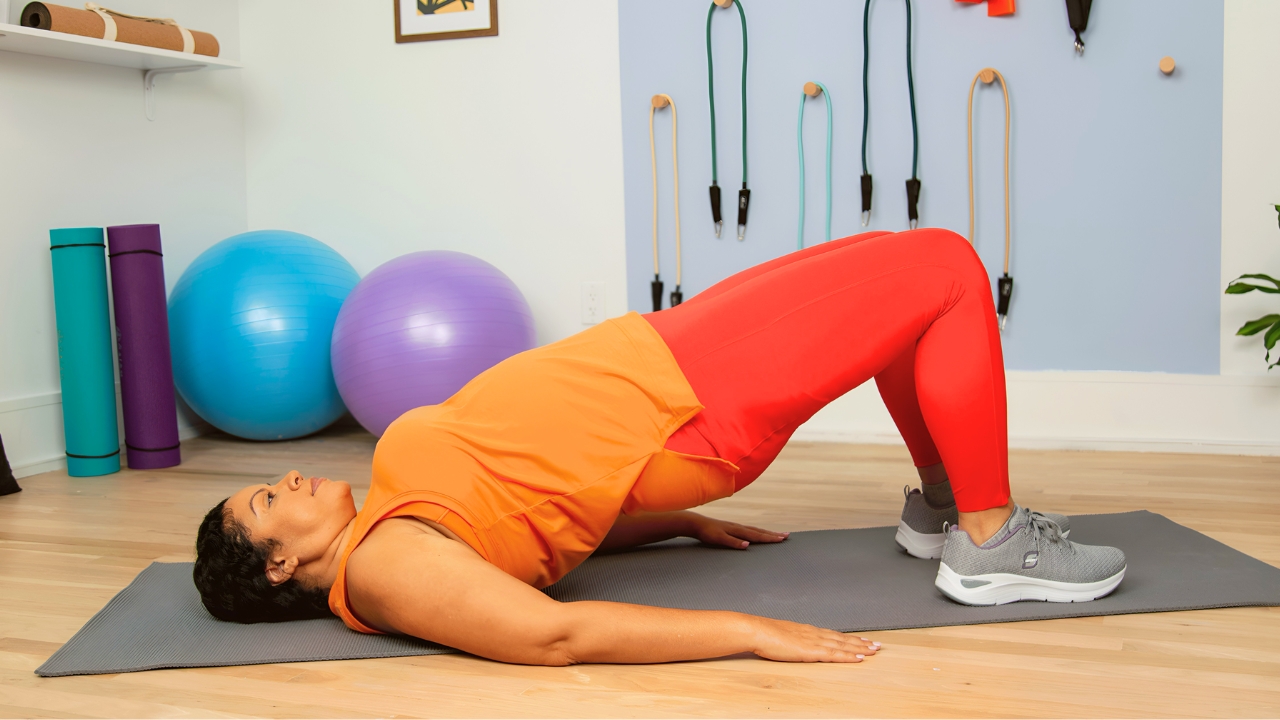
The abdominal brace is the foundation of deep core activation. Lie on your back with knees bent and feet flat on the floor. Gently tighten your abdominal muscles as if preparing for a light punch, but continue breathing normally. Avoid sucking your stomach inward. The goal is to create even tension around your midsection. Hold for ten seconds and repeat several times. Practicing this daily teaches your deep core muscles to support your spine automatically during walking, lifting, and sitting.

Activate Stability With Dead Bug
The dead bug exercise challenges coordination while keeping the spine protected. Start on your back with arms extended toward the ceiling and knees bent at ninety degrees. Engage your core using the abdominal brace technique. Slowly lower one arm and the opposite leg toward the floor without arching your back. Return to the starting position and switch sides. This controlled movement strengthens deep stabilizers and trains them to work during dynamic motion, reducing strain on the lower back.
Build Control With Bird Dog
The bird dog exercise improves spinal alignment and balance. Begin on all fours with hands under shoulders and knees under hips. Brace your core gently, then extend one arm forward and the opposite leg backward. Keep your hips level and avoid twisting. Hold briefly before returning and switching sides. This movement strengthens the multifidus and glute muscles, both essential for lower back stability. Consistent practice improves coordination and builds endurance in the muscles that protect your spine.

Improve Posture Through Breathing
Breathing plays a powerful role in deep core activation. Diaphragmatic breathing encourages proper engagement of the abdominal wall and pelvic floor. Sit or lie comfortably, place one hand on your chest and the other on your abdomen. Inhale deeply through your nose so your abdomen rises while your chest remains relaxed. Slow breathing improves spinal support and reduces tension. When combined with core exercises, it enhances stability and helps prevent unnecessary pressure on the lower back.
Avoid Common Activation Mistakes
Many people unknowingly compensate during core exercises. Holding the breath, arching the lower back, or tightening only surface muscles reduces effectiveness. The key is controlled movement and steady breathing. Movements should feel stable rather than forced. Slow repetitions are more beneficial than rushing through sets. Quality always outweighs quantity. Paying attention to alignment ensures that the deep core muscles are working instead of allowing the lower back to carry the load.

Create a Daily Core Routine
Consistency matters more than intensity. Performing these exercises for ten to fifteen minutes a day can produce noticeable improvement in stability and comfort. Start with the abdominal brace to awaken the deep muscles. Follow with controlled repetitions of dead bug and bird dog. Focus on maintaining neutral spine alignment throughout. Over time, these exercises retrain your body to engage stabilizing muscles automatically during daily activities such as lifting groceries or standing for long periods.
Support Recovery With Smart Habits
Exercise alone is not enough. Proper sitting posture, regular movement breaks, and supportive sleep positions contribute to long term spinal health. Avoid sitting for extended periods without standing or stretching. Use a chair that supports the natural curve of your lower back. During sleep, keeping a pillow under the knees when lying on your back or between the knees when lying on your side can reduce pressure on the lumbar spine.

Long Term Spine Protection Strategy
Deep core activation is not a short term fix. It is a long term strategy for preventing recurring lower back discomfort. When stabilizing muscles become stronger, they reduce excessive motion in the spine. This decreases stress on discs, ligaments, and joints. Over weeks of consistent practice, posture improves, movement feels smoother, and daily tasks become less taxing on the back. The body begins to rely on balanced muscle engagement instead of overworking vulnerable areas.
Final Word on Pain Free Living
Lower back pain often feels complicated, but the solution can be surprisingly simple. Strengthening and activating deep core muscles creates a protective support system for your spine. The abdominal brace, dead bug, and bird dog exercises offer a safe and effective starting point. When practiced consistently with proper breathing and posture awareness, they help restore stability and confidence in movement. A stronger deep core means a more resilient lower back and a healthier, more comfortable everyday life.