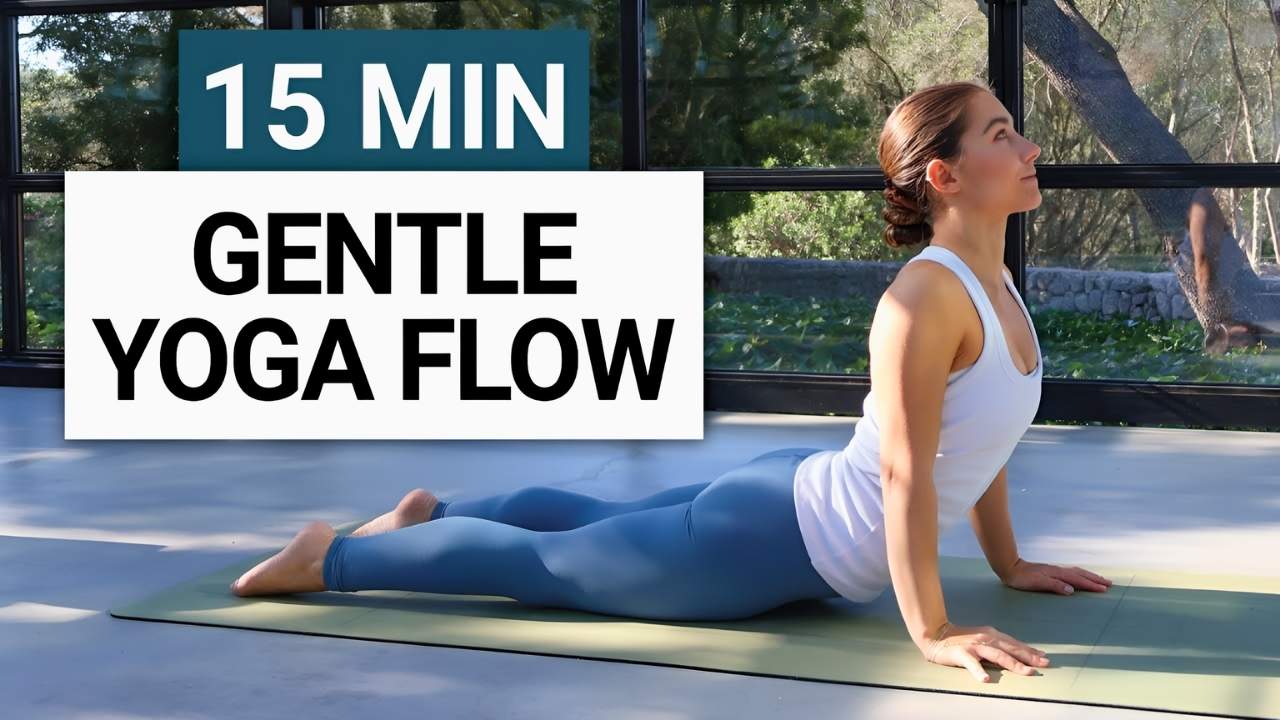
15-Minute Yoga Flow for Beginners: Modern life moves fast. Long work hours, screen exposure, traffic, and constant multitasking can leave your body stiff and your mind exhausted before the day even ends. The solution does not have to be complicated. A focused 15 minute yoga flow for beginners can reset your energy, improve flexibility, and calm your thoughts without requiring expensive equipment or advanced skills. This quick routine is designed for small spaces, busy schedules, and real people who want simple, effective wellness habits that actually fit into daily life.
Start Strong With Deep Breathing Power
The first step of any effective yoga flow begins with intentional breathing. Stand tall with your feet grounded or sit comfortably with your spine straight. Inhale deeply through your nose, expanding your ribs and belly. Exhale slowly and completely. Controlled breathing increases oxygen flow, sharpens focus, and prepares your muscles for movement. Even one minute of mindful breathing lowers stress levels and signals your body that it is time to shift from tension into balance.

Unlock Stiff Spine With Gentle Waves
Move into a standing roll down to warm up the spine. Slowly tuck your chin and roll your upper body forward vertebra by vertebra until you reach a comfortable fold. Bend your knees slightly. Then slowly rise back up. This controlled movement improves spinal mobility and releases stiffness caused by prolonged sitting. Repeating this gentle wave motion for one minute warms the back muscles safely and creates awareness of posture, which is especially important for beginners.
Fire Up Energy With Sun Flow
Transition into a beginner friendly Sun Salutation variation. Raise your arms overhead, fold forward, step back into a gentle plank, lower your knees, and push back into a soft Downward Facing position. Flowing between these movements builds circulation and awakens major muscle groups. The continuous motion raises heart rate slightly, helping boost morning energy or break afternoon fatigue. Keep the pace steady and controlled. This sequence forms the foundation of many yoga practices.
Build Balance With Warrior Focus
Step one foot forward into a Warrior pose with your front knee bent and back leg extended. Stretch your arms out wide and keep your gaze steady. This posture strengthens thighs, improves stability, and builds mental focus. Beginners benefit from practicing balance early because it increases body awareness and coordination. Hold for five slow breaths before switching sides. Engaging both legs creates strength while maintaining steady breathing promotes calm confidence.
Strengthen Core With Controlled Plank
Shift into a high plank position, keeping shoulders aligned over wrists and your body in a straight line. Engage your abdominal muscles gently without holding your breath. Plank pose strengthens the core, arms, and shoulders simultaneously. Beginners can lower knees to reduce intensity while maintaining alignment. Hold for thirty to forty seconds. Core stability supports better posture and reduces the risk of back discomfort, making this an essential part of a short yoga routine.
Open Tight Hips With Deep Lunge
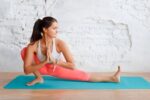
Step forward into a low lunge with your back knee resting on the floor. Lift your chest and gently press hips forward. This stretch targets hip flexors, which often tighten due to long periods of sitting. Opening the hips improves circulation in the lower body and enhances flexibility. Raise your arms overhead for a deeper stretch if comfortable. Switch sides after several breaths to keep the flow balanced and effective.
Boost Posture With Cobra Lift
Lie down on your stomach and place your palms near your chest. Press lightly into your hands and lift your upper body into a soft Cobra pose. Keep your shoulders relaxed and your elbows slightly bent. This gentle backbend strengthens the lower back and opens the chest. Regular practice improves posture and counteracts slouching from device usage. Focus on lengthening the spine rather than lifting too high for safe beginner execution.

Release Stress With Seated Twist
Sit comfortably with legs extended or crossed. Place one hand behind you and the opposite hand on your knee. Gently rotate your torso to one side while keeping your spine tall. Twisting improves digestion, increases spinal mobility, and releases stored tension in the back muscles. Hold for a few breaths before switching sides. Slow twists are particularly beneficial after strengthening movements, helping your body reset and rebalance.
Melt Tension With Forward Fold Calm
Stand tall and slowly fold forward from your hips. Allow your arms to hang naturally and relax your neck. Bend your knees if needed. Forward folds calm the nervous system and stretch hamstrings and lower back muscles. Gentle swaying or holding opposite elbows adds comfort and depth. This pose helps transition from active strengthening into restorative relaxation, making it an essential bridge toward the end of the flow.
Recharge Mind With Final Stillness
Complete your 15 minute yoga flow by lying comfortably on your back with arms relaxed at your sides. Close your eyes and return to slow breathing. Let your body feel heavy and supported. This final relaxation allows your muscles to absorb the benefits of movement while your mind resets. Even two minutes of quiet stillness improves clarity and emotional balance. Many beginners find this final moment surprisingly powerful.
Consistency is what transforms a short yoga session into a life changing habit. Practicing a 15 minute beginner yoga flow daily can improve flexibility, boost energy levels, enhance posture, and reduce everyday stress. You do not need perfect flexibility or expensive gear to begin. All you need is a small open space and a willingness to move with awareness.
This simple routine proves that wellness does not require complicated schedules. A focused quarter hour can refresh your body, clear mental fog, and create a positive tone for the rest of your day. Start small, stay consistent, and let each breath guide you toward better balance and strength.