Say Goodbye to Lower Back Pain: Lower back pain has quietly become part of daily life for millions of people. Long office hours, car commutes, intense workouts, and even poor sleep posture can slowly tighten the hips and weaken the glute muscles. When glutes lose flexibility or strength, the lower back steps in to compensate. Over time, this imbalance leads to stiffness, discomfort, and limited mobility. The encouraging part is that targeted glute stretches can restore balance, improve posture, and reduce unnecessary strain on the spine.
The glute muscles are among the largest and most powerful muscle groups in the body. They stabilize the pelvis, support the spine, and help generate force while walking, running, or lifting. When they become tight or inactive, the lower back carries extra load. Incorporating specific glute stretches into your daily routine can unlock tight hips, reduce inflammation, and support long-term back health. Below are seven powerful stretches designed to ease tension and promote natural movement.
Release Tension Deep Within
One of the most effective ways to reduce lower back discomfort is by targeting the deeper glute muscles, especially the piriformis. A gentle supine hip stretch works beautifully here. Lie on your back, bend both knees, and place one ankle over the opposite thigh. Slowly pull the supporting leg toward your chest. This movement stretches the outer hip and relieves compression around the sciatic nerve. Practicing this consistently improves circulation and reduces stiffness that often radiates into the lower back.
Unlock Hips With Precision
Tight hips often restrict proper pelvic movement, forcing the lumbar spine to compensate. A kneeling hip flexor stretch combined with glute engagement helps correct this imbalance. Step into a half-kneeling position, gently press the hips forward, and lightly squeeze the glute of the back leg. This creates both a stretch and activation effect. When hip flexors relax and glutes engage properly, pressure on the lower spine decreases, allowing smoother, pain-free movement during daily tasks.
Gentle Twist For Mobility
Spinal rotation plays a crucial role in maintaining flexibility and preventing stiffness. A seated twist that incorporates hip alignment can loosen both the glutes and lower back. Sit upright, cross one leg over the other, and gently rotate your torso toward the bent knee. Keep your spine tall and breathe steadily. This stretch improves joint mobility while releasing tight hip rotators. Over time, better rotational flexibility reduces strain during activities like bending, lifting, or turning.
Lengthen Glutes With Control
The forward fold variation with bent knees offers a safe yet powerful glute stretch. Stand with feet hip-width apart, bend your knees slightly, and slowly hinge forward from the hips. Allow your upper body to relax while maintaining control. This position stretches the hamstrings and glutes simultaneously. By keeping the knees soft, you prevent excessive lower back tension. Controlled breathing during this stretch enhances muscle relaxation and promotes better posture alignment.

Restore Balance Through Bridge
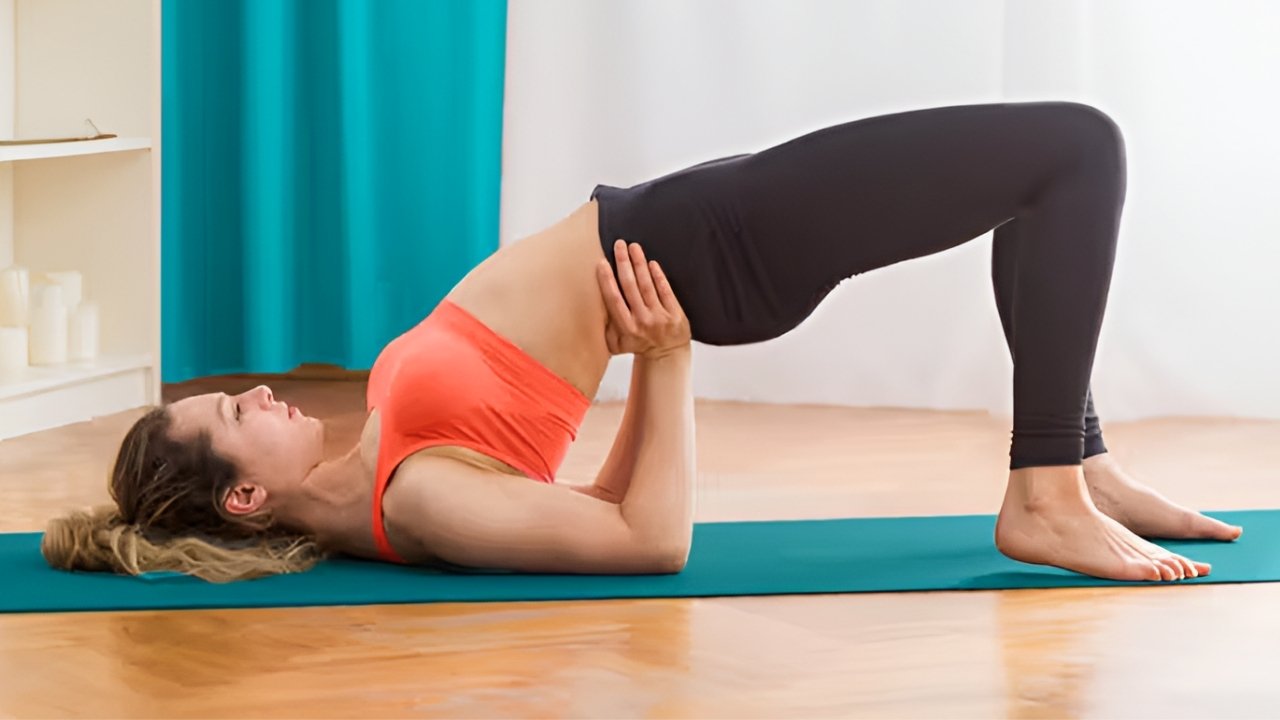
The bridge pose is more than a strengthening exercise; it also restores glute flexibility and spinal stability. Lie on your back with knees bent and feet flat on the floor. Lift your hips upward while pressing through your heels and engaging your glutes. Hold briefly before lowering down slowly. This movement strengthens weak glutes and reduces reliance on the lower back. Stronger glutes create better pelvic stability, which is essential for preventing recurring back pain.
Open Outer Hip Channels
The side-lying hip stretch is excellent for releasing tension along the outer glutes and hip stabilizers. Lie on one side and gently pull the top knee toward your chest while keeping your torso steady. This stretch targets muscles that often tighten from prolonged sitting or repetitive workouts. When outer hip muscles become more flexible, they allow better hip alignment. Improved alignment directly reduces the load placed on the lower lumbar region.

Relax Spine With Child Pose
Child pose remains one of the most accessible and restorative stretches for the lower body. Kneel on the floor, sit back onto your heels, and extend your arms forward. Slightly widening the knees shifts emphasis onto the hips and glutes. This gentle stretch decompresses the spine while promoting relaxation throughout the lower body. Holding the position for several deep breaths encourages muscle release and helps calm the nervous system, which can reduce tension-related back pain.
Activate Stability From Standing
Standing hip extensions offer a functional stretch that mirrors real-life movement. Stand upright, hold onto a stable surface for balance, and extend one leg backward without arching the lower back. Focus on engaging the glute rather than the spine. This stretch improves coordination between the hips and core. By training your body to move correctly during standing activities, you reduce compensatory strain on the lumbar area.

Lower back pain rarely appears overnight. It often develops gradually due to muscle imbalances, limited mobility, and prolonged inactivity. Addressing tight or weak glutes can dramatically shift this pattern. These stretches are not quick fixes but powerful tools for long-term relief. Performing them consistently for even ten minutes a day can improve hip flexibility, enhance circulation, and restore natural movement patterns.
In addition to stretching, maintaining proper posture and staying active throughout the day supports spinal health. Avoid sitting for long periods without movement breaks. Gentle walking, mindful breathing, and light strengthening exercises can complement your stretching routine. Hydration and adequate sleep also contribute to muscle recovery and reduced inflammation.

The connection between glutes and lower back health is stronger than many realize. When glute muscles function properly, they absorb shock, stabilize the pelvis, and protect the spine. When they tighten or weaken, the lower back absorbs unnecessary stress. Targeted stretching rebalances this relationship and encourages sustainable relief.
Final Word
Lower back pain does not have to dictate your daily life. By focusing on glute mobility and strength, you address one of the most common root causes of discomfort. These powerful stretches provide a natural, practical, and effective approach to restoring comfort and flexibility. Commit to a consistent routine, move mindfully, and give your body the attention it deserves. With time and patience, you can build a stronger foundation, improve posture, and truly say goodbye to persistent lower back pain.