How Pilates Survived War and Became: Pilates is often associated with sleek studios, reformer machines, and sculpted core muscles, but its roots tell a far deeper story. What began as one man’s personal mission to overcome physical weakness evolved into a structured movement system that endured war, crossed continents, and reshaped modern fitness culture. Today, Pilates is practiced by athletes, celebrities, rehabilitation patients, and everyday people seeking strength and balance. Its journey from hardship to worldwide recognition is one of resilience, innovation, and unwavering belief in the power of controlled movement.
Born From Personal Struggle
Joseph Pilates grew up in Germany during the late nineteenth century, facing multiple childhood illnesses that left him physically fragile. Rather than accepting limitations, he immersed himself in anatomy books, gymnastics training, boxing, and Eastern movement philosophies. His obsession was not vanity or competition. It was functionality. He wanted a body that moved efficiently, resisted injury, and performed with control. These early experiments laid the groundwork for what he later called Contrology, a system based on concentration, breathing, alignment, and precise muscular engagement.
War Forged A Method
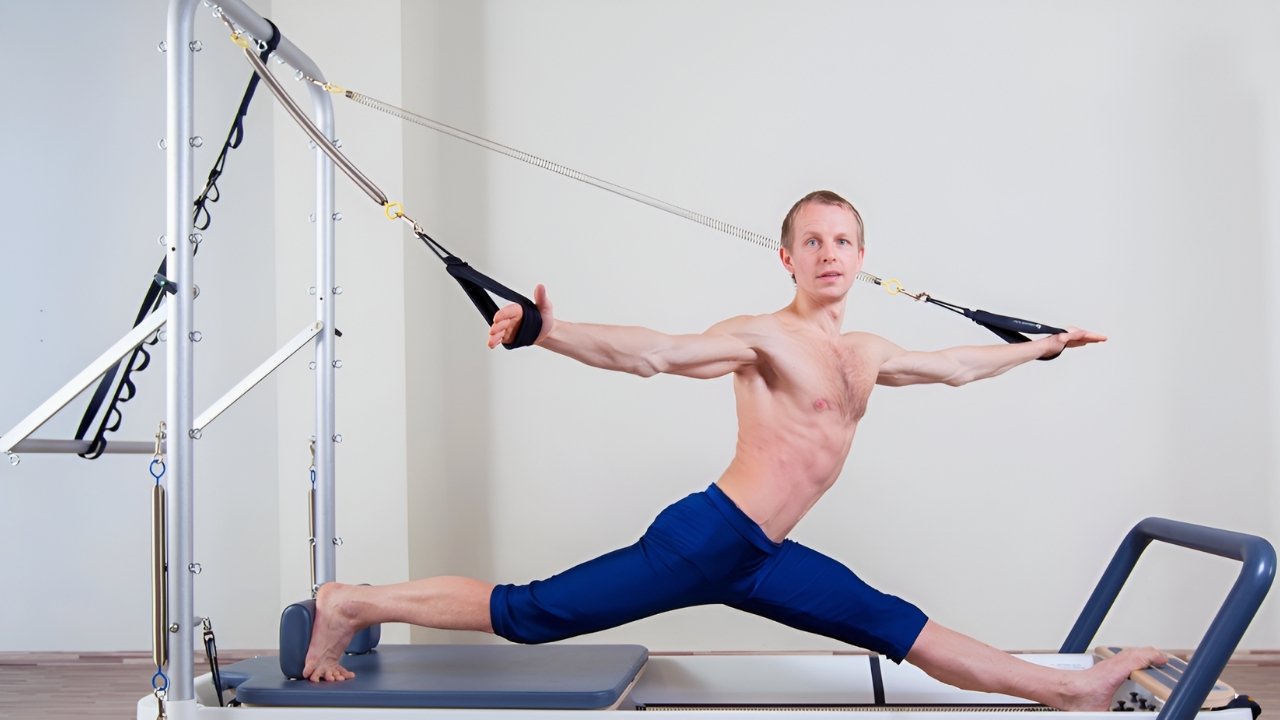
When World War I broke out, Joseph Pilates was living in England and was interned as a German national. Conditions inside the camp were physically demanding and mentally draining. Pilates began teaching structured exercise routines to fellow detainees to maintain health and morale. He used minimal space and bodyweight movements to keep muscles active. During this time, he famously attached springs to hospital beds to help injured individuals perform resistance exercises. These improvised devices became the inspiration for modern Pilates machines, proving that innovation often grows from adversity.
Contrology Before It Was Cool
Long before the word “core workout” became a fitness buzzword, Pilates emphasized deep abdominal engagement and spinal alignment. His system focused on controlled, low-impact movements rather than repetitive strain. Each exercise required concentration and breath coordination. This method was not about exhausting the body but about training it intelligently. At a time when bodybuilding and heavy lifting dominated physical culture, Pilates offered something radically different. He believed that true strength came from balanced muscle development and mindful execution.

New York Sparked Expansion
In the mid-1920s, Joseph Pilates moved to New York City with his wife Clara. They opened a studio near several dance companies, and professional dancers quickly embraced the method. Injuries were common in dance, and Pilates offered both rehabilitation and conditioning in one approach. Word spread quietly through artistic communities. Unlike flashy gym routines, Pilates sessions were focused, structured, and individualized. The method gained a reputation for transforming posture, improving flexibility, and strengthening without bulk.
Dancers Carried The Legacy
Many of Joseph Pilates’ early students were dancers who later became instructors themselves. They preserved and taught his original techniques long after his death in 1967. These second-generation teachers played a crucial role in keeping Pilates alive during decades when it was not yet mainstream. Studios remained small and specialized, often operating quietly in urban centers. The dedication of these instructors ensured that the method retained its authenticity rather than being diluted into generic fitness trends.
Celebrity Culture Amplified Demand
In the 1990s and early 2000s, Pilates experienced explosive growth. Celebrities began crediting the practice for toned physiques and injury recovery. Media coverage highlighted reformer machines and studio sessions, transforming Pilates into a fashionable workout choice. Fitness enthusiasts were drawn to its promise of lean muscle, improved posture, and core stability. As demand grew, new variations emerged, including mat-based classes and contemporary adaptations. The once niche discipline became a recognizable global fitness brand.
Science Confirmed The Benefits
As Pilates gained popularity, research began supporting its effectiveness. Studies showed improvements in balance, muscular endurance, flexibility, and lower back pain reduction. Physical therapists adopted Pilates principles in rehabilitation programs for patients recovering from surgery or chronic injuries. Sports professionals incorporated it into cross-training routines to enhance stability and coordination. This scientific validation strengthened Pilates’ credibility and distinguished it from short-lived workout fads driven solely by marketing hype.

Technology Took It Global
The digital age accelerated Pilates’ global reach. Online streaming platforms, virtual classes, and fitness apps made sessions accessible from living rooms worldwide. Compact home reformer machines and portable equipment lowered entry barriers. Social media further amplified the practice, with instructors sharing tutorials and transformation stories. Pilates was no longer limited to boutique studios in major cities. It became a flexible fitness option adaptable to different lifestyles, schedules, and budgets.
More Than Just Core Work
While many associate Pilates primarily with abdominal strength, its philosophy goes deeper. The system trains the entire kinetic chain, focusing on spinal health, hip mobility, shoulder stability, and coordinated breathing. Every movement connects mind and muscle. Practitioners learn to move with awareness rather than momentum. This holistic approach aligns with modern wellness trends that prioritize sustainable, injury-free training. Pilates encourages longevity in movement, making it suitable for individuals across different age groups.

Adaptability Ensured Survival
One reason Pilates survived war and flourished globally is its adaptability. The foundational principles remain consistent, but the exercises can be modified for beginners, elite athletes, seniors, or rehabilitation patients. It works in small spaces, with or without equipment. The method is structured yet flexible. That balance between tradition and evolution has allowed Pilates to remain relevant in an ever-changing fitness landscape. It respects its origins while embracing innovation.
Wellness Culture Embraced Mindfulness
In recent years, wellness culture has shifted toward mindfulness, stress reduction, and functional strength. Pilates naturally fits within this movement. Its emphasis on breathing, focus, and alignment offers mental clarity alongside physical conditioning. In a fast-paced world dominated by high-intensity workouts and digital distractions, Pilates provides a structured yet calming alternative. The practice feels intentional rather than chaotic, attracting individuals seeking balance in both body and mind.

A Revolution Rooted In Resilience
Pilates did not become a global fitness revolution overnight. It endured skepticism, remained underground for decades, and evolved through changing eras of exercise trends. Its survival story reflects persistence, creativity, and commitment to quality movement. From wartime hospital beds to high-end reformer studios, Pilates has demonstrated that true innovation withstands time and challenge.
Final Verdict On Pilates Legacy
Pilates survived war because it was built on necessity and refined through discipline. It became a global fitness revolution because it delivers consistent results rooted in intelligent design. Today, millions practice Pilates not just for aesthetics but for strength, mobility, and mental clarity. Its origin story adds depth to every controlled movement performed on a mat or reformer. More than a workout, Pilates represents resilience in motion, proving that powerful ideas can rise from the most unexpected circumstances and transform the world.