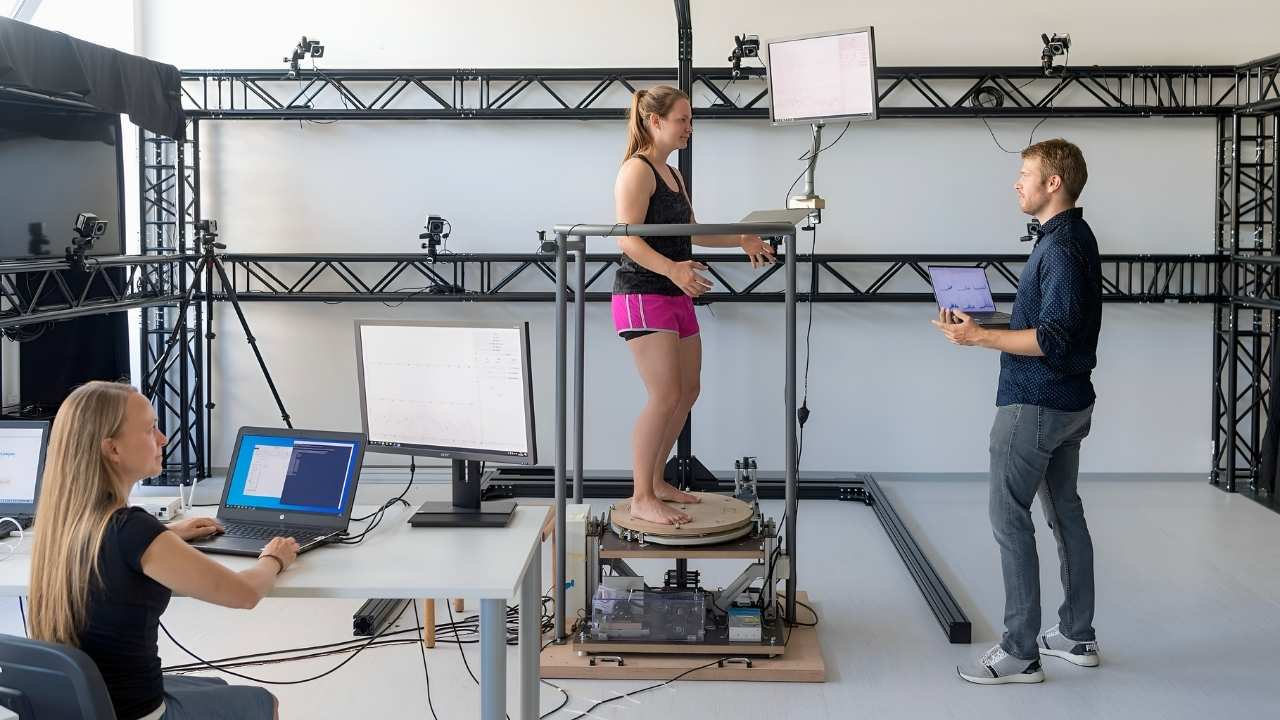
Intelligent Balance Boards: Fitness technology is evolving faster than ever, and intelligent balance boards are leading a powerful transformation in how people train, recover, and measure performance. What once seemed like a simple wooden platform for improving coordination has now become a smart, connected device capable of delivering real time analytics and personalized insights. From home workouts to professional sports facilities, these data driven boards are changing the way individuals understand stability, strength, and body control.
Modern fitness enthusiasts no longer want to rely on guesswork. They want numbers, progress charts, and measurable results. Intelligent balance boards provide exactly that. By combining motion sensors, pressure mapping technology, and mobile app integration, these boards turn every workout session into a performance report. The result is a smarter, more efficient approach to building core strength, preventing injuries, and enhancing overall body awareness.

Smart Sensors Transform Balance
The biggest innovation behind intelligent balance boards lies in their advanced sensor systems. These boards are equipped with accelerometers, gyroscopes, and pressure sensors that detect even the smallest movement shifts. Every micro adjustment your body makes is captured and analyzed in real time.
Instead of simply trying to stay upright, users can now monitor weight distribution between feet, track center of gravity alignment, and measure reaction speed. This precision helps identify muscle imbalances that might otherwise go unnoticed. For athletes, this means better performance optimization. For beginners, it means safer training with clear guidance on how to improve form and posture.

Real Time Feedback Boosts Results
Traditional balance training required patience and self awareness. Intelligent boards change that by delivering instant feedback through connected mobile applications. When your balance shifts too far in one direction, the app notifies you immediately. If your reaction time improves, you can see measurable proof of progress.
This immediate response creates a powerful learning loop. The brain adapts faster when feedback is instant and visual. Over time, users develop stronger neuromuscular coordination because they can clearly see what adjustments are needed. This makes workouts more focused, efficient, and engaging compared to traditional balance exercises.

Personalized Training Gets Smarter
One of the most exciting features of intelligent balance boards is their ability to personalize workouts. Based on performance data, the system can adjust difficulty levels automatically. Beginners might start with simple stability drills, while advanced users can challenge themselves with dynamic movement patterns or balance games.
The personalization extends beyond difficulty. Some boards analyze long term data trends to recommend specific exercises that target weak areas. If your left side shows reduced stability, the program may suggest unilateral drills to correct imbalance. This adaptive approach makes training more strategic and less random.

Core Strength Beyond Crunches
Many people associate core training with crunches or planks, but balance boards activate deep stabilizing muscles that are often neglected. When standing on an unstable surface, the body recruits smaller muscles around the spine, hips, and ankles to maintain alignment.
Intelligent balance boards enhance this process by ensuring proper technique. With data tracking, users can confirm that their core muscles are engaged effectively rather than compensating with poor posture. Over time, this leads to improved spinal support, better posture, and enhanced functional strength for everyday movements.

Injury Prevention Through Data
Injury prevention is one of the strongest arguments for data driven fitness tools. Imbalances in stability often contribute to ankle sprains, knee strain, and lower back discomfort. Intelligent balance boards detect asymmetries early before they develop into serious issues.
For example, uneven weight distribution during simple standing drills may indicate weakness in one leg. Addressing this imbalance with targeted exercises reduces long term injury risk. Physical therapists are increasingly incorporating smart balance technology into rehabilitation programs because it offers measurable progress tracking and safer recovery planning.

Gamified Workouts Keep Motivation High
Staying consistent with exercise can be challenging. Intelligent balance boards solve this problem by incorporating gamified training modes. Users can complete balance challenges, compete against their previous scores, or even connect with friends for virtual competitions.
These interactive elements make workouts feel less repetitive. Instead of counting repetitions, users focus on achieving stability targets or improving reaction times. The combination of competition and measurable improvement keeps motivation levels high, which ultimately leads to better long term fitness habits.

Professional Athletes Embrace Technology
Elite athletes rely heavily on balance and coordination, making intelligent boards a valuable tool in professional training environments. From soccer players to surfers and basketball athletes, balance control directly impacts performance.
By analyzing movement patterns through detailed metrics, coaches can identify subtle weaknesses that may affect agility or explosive power. Training programs can then be customized to improve specific deficiencies. The data also helps monitor fatigue levels, allowing athletes to avoid overtraining and reduce injury risk during intense seasons.

Home Fitness Enters Smart Era
The rise of connected home fitness equipment has accelerated demand for intelligent training tools. Intelligent balance boards fit perfectly into compact home workout spaces while offering advanced analytics typically found in professional gyms.
With Bluetooth connectivity and user friendly apps, individuals can access guided sessions, progress charts, and performance summaries from their smartphones. This convenience makes high quality balance training accessible to a broader audience. Users no longer need specialized facilities to train like professionals.
Mental Focus Meets Physical Control
Balance training is not only about muscles. It also challenges cognitive focus and reaction speed. Intelligent balance boards measure how quickly users respond to changing stability demands, turning workouts into brain body coordination sessions.
Research in neuromuscular training suggests that improved balance can enhance overall motor control and reaction time. By combining physical exertion with mental concentration, these boards provide a dual benefit. Users strengthen their bodies while sharpening awareness and coordination, which can improve sports performance and everyday movement confidence.

Future Of Data Driven Movement
As wearable technology and artificial intelligence continue to advance, intelligent balance boards are likely to become even more sophisticated. Future versions may integrate heart rate monitoring, posture analysis, and AI driven coaching feedback for deeper personalization.
The shift toward data driven fitness reflects a broader cultural movement toward measurable self improvement. People want clarity about their health progress, and smart devices deliver that clarity. Intelligent balance boards represent a powerful intersection between technology and physical training, offering insight that goes far beyond traditional exercise routines.
Final Verdict On Smart Stability
Intelligent balance boards are redefining how people approach stability, strength, and coordination. By combining sensor technology, real time feedback, and personalized programming, these devices transform a simple balance drill into a comprehensive performance assessment. They provide measurable progress, improved injury prevention, and engaging workout experiences.
For anyone seeking smarter workouts backed by real data, intelligent balance boards offer a compelling solution. They prove that fitness is no longer just about effort. It is about understanding movement, tracking progress, and training with purpose in a truly connected era.