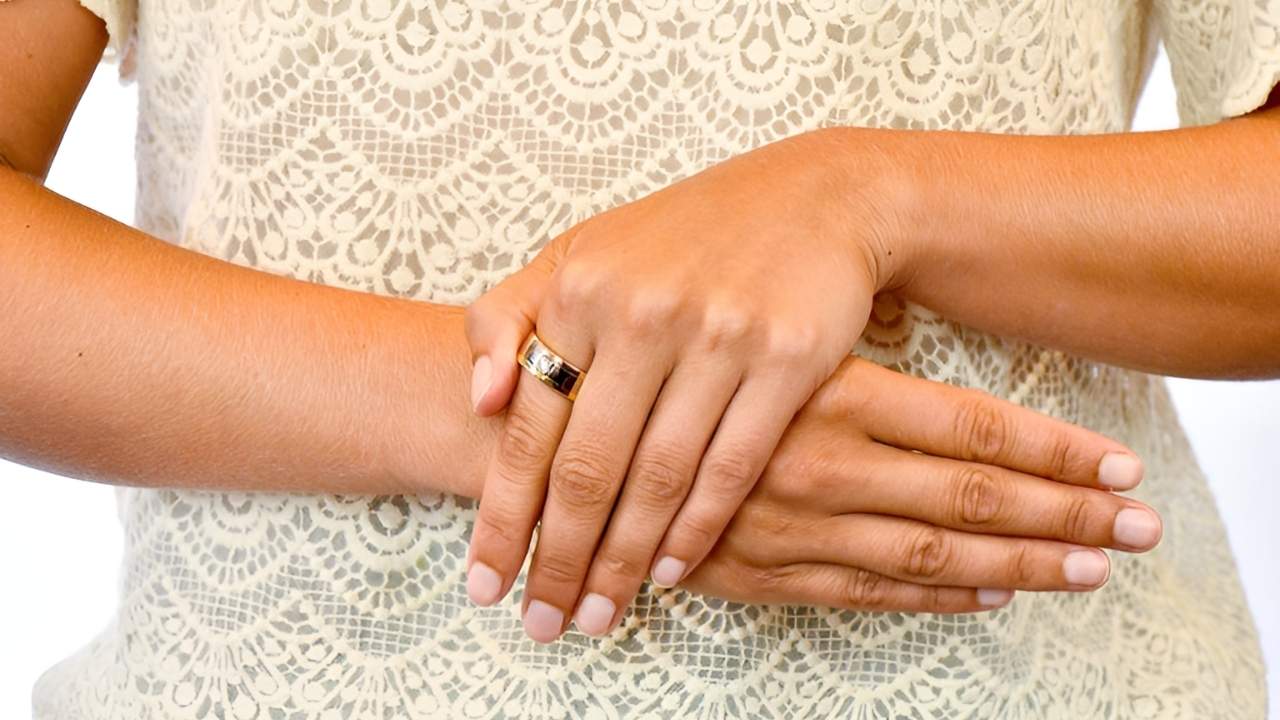
A Beginner’s Guide to Mudras: Mudras may look simple at first glance, but they carry deep meaning and purpose. These ancient hand gestures come from yoga and Ayurveda, where the body is seen as a flow of energy rather than just muscles and bones. Even today, mudras are practiced by people seeking mental calm, emotional balance, and better focus. The best part is that mudras are beginner-friendly and can be practiced while sitting, walking, or even resting. This guide explains mudras in a clear, modern way so anyone can start using them confidently.
How mudras influence energy
Mudras work on the idea that the human body is made of five elements: earth, water, fire, air, and space. Each finger represents one of these elements. When you bring fingers together in a specific pattern, you help balance these elements inside the body. This balance is believed to improve energy flow, calm the nervous system, and support overall wellness. Over time, regular mudra practice may create noticeable shifts in how you feel physically and emotionally.

Why hand gestures matter
Hands are directly connected to the brain through nerves, making them powerful tools for influencing mental states. When a mudra is held with awareness, it sends subtle signals to the brain. These signals may help reduce stress, improve concentration, and promote relaxation. This is why mudras are often paired with meditation and breathing exercises. Even without deep meditation, holding a mudra mindfully can create a sense of calm and stability in daily life.
Gyan mudra for clarity
Gyan Mudra is one of the most popular and beginner-friendly mudras. It is formed by touching the tip of the index finger to the thumb while keeping the other fingers straight. This mudra is linked to knowledge, wisdom, and mental clarity. Many people practice it during meditation to improve focus and memory. Regular use is believed to calm racing thoughts and support better decision-making, making it ideal for students and professionals alike.

Prana mudra for vitality
Prana Mudra is known as the mudra of life energy. It is made by joining the thumb with the ring and little finger. This mudra is believed to activate dormant energy within the body and reduce fatigue. People often practice it when feeling low on energy or mentally drained. Over time, it may help improve stamina, boost motivation, and create a general feeling of freshness throughout the day.
Apana mudra for detox
Apana Mudra is associated with cleansing and elimination. It is formed by touching the thumb to the middle and ring fingers. This mudra is commonly used to support digestion and detoxification. Practicing it regularly may help the body release waste more efficiently and promote internal balance. Many people also find it grounding and stabilizing, especially during times of physical discomfort or emotional heaviness.

Chin mudra for calmness
Chin Mudra looks similar to Gyan Mudra but is practiced with palms facing upward while resting on the knees. This mudra is often used during meditation and breathing exercises. It is believed to promote relaxation, reduce anxiety, and encourage a peaceful mental state. Chin Mudra is especially helpful for people who feel overwhelmed or mentally restless, as it supports a deeper connection between breath and awareness.
Surya mudra for metabolism
Surya Mudra is formed by folding the ring finger toward the palm and pressing it gently with the thumb. This mudra is associated with fire energy and metabolism. Many practitioners believe it helps support weight management and improves digestion. It is also thought to increase body warmth and energy levels. Practicing Surya Mudra in the morning may help you feel more active and alert throughout the day.

Vayu mudra for balance
Vayu Mudra focuses on balancing air energy in the body. It is created by folding the index finger toward the palm and holding it with the thumb. This mudra is traditionally used to calm restlessness and discomfort linked to excess air energy. People often practice it to feel more centered and stable. It may also support better circulation and a sense of inner balance when practiced regularly.
Shunya mudra for awareness
Shunya Mudra is formed by bending the middle finger toward the palm and pressing it with the thumb. This mudra is linked to space energy and inner awareness. It is often used to quiet mental noise and improve listening skills, both internally and externally. Many practitioners find it useful during meditation, as it encourages a deeper sense of presence and mindfulness without effort.

Best time to practice
Mudras can be practiced at almost any time of day, but consistency matters more than timing. Early morning is often recommended because the mind is calmer and more receptive. However, mudras can also be practiced during breaks, before sleep, or while traveling. Holding a mudra for 15 to 30 minutes daily is considered beneficial. Short sessions spread throughout the day can also be effective.
Simple posture guidelines
While mudras can be practiced anywhere, posture plays a role in comfort and focus. Sitting upright with a relaxed spine is ideal. Shoulders should be soft, and breathing should remain natural. Mudras should never feel forced or tense. The key is gentle awareness rather than strict perfection. A relaxed posture allows energy to flow freely, enhancing the overall experience of the practice.

Breathing with mudras
Combining mudras with slow, mindful breathing can deepen their effects. Gentle inhalation and exhalation help calm the nervous system and improve focus. You don’t need complex breathing techniques to start. Simply observing your breath while holding a mudra is enough. Over time, this combination may improve emotional regulation and bring a sense of inner stillness that carries into daily activities.
Mudras in daily life
Mudras are not limited to meditation sessions. They can be practiced while walking, sitting at a desk, or even watching television. This makes them easy to integrate into modern lifestyles. Practicing mudras during stressful moments may help you pause and reset mentally. Over time, this habit can build emotional resilience and improve how you respond to daily challenges.

Common beginner mistakes
One common mistake is expecting instant results. Mudras work subtly and gradually. Another mistake is practicing inconsistently or with tension. Mudras should feel natural and comfortable. Beginners should also avoid overthinking the process. The benefits come from regular practice and mindful awareness, not from forcing results. Keeping expectations realistic helps maintain motivation and enjoyment.
Who can practice mudras
Mudras are generally safe for people of all ages. Children, adults, and seniors can all benefit from them. Since mudras are gentle and non-invasive, they are suitable for beginners with no prior experience in yoga. However, people with specific health conditions should treat mudras as a supportive practice rather than a replacement for medical advice.

Conclusion
Mudras offer a simple yet powerful way to reconnect with your body and mind. They require no special tools, no intense effort, and no complex routines. With regular practice, mudras may help improve focus, balance emotions, and support overall well-being. For beginners, starting with one or two mudras and practicing them consistently is enough. Over time, these small hand gestures can become meaningful tools for calm, clarity, and inner balance.