Deep Hip Opening Yoga Flow for Tight Hips: Tight hips and persistent lower back pain have quietly become part of modern life. Long hours at a desk, limited walking, and constant sitting shorten the hip flexors and weaken supporting muscles. Over time, this imbalance restricts flexibility, affects posture, and creates tension that radiates into the lower back. Many people stretch occasionally but never address the deeper layers of stiffness that limit daily mobility.
A structured deep hip opening yoga flow can reset this pattern. By combining controlled movement, targeted stretching, and mindful strength work, you can restore natural range of motion and reduce lower back discomfort. This approach is not about extreme poses. It is about intelligent sequencing that unlocks tight hips safely while building stability for lasting relief.

Hidden Cause Behind Back Pain
Lower back pain often starts in the hips. When hip flexors become tight, they tilt the pelvis forward. This places constant pressure on the lumbar spine. Weak glutes and restricted inner thighs add to the imbalance, forcing the lower back to work harder than it should.
Deep hip opening yoga addresses the root issue instead of masking symptoms. By lengthening tight tissues and strengthening neglected muscles, you reduce strain on the spine. Over time, posture improves, walking feels smoother, and daily movements require less effort.

Smart Warmup Activates Mobility
Jumping into deep stretches without preparation can increase stiffness instead of relieving it. A smart warmup activates blood flow and prepares connective tissues for deeper release. Begin with slow pelvic tilts while lying on your back. Then move into dynamic hip circles in tabletop position to gently mobilize the joint.
Adding controlled lunges with small pulses awakens the hip flexors without overloading them. This phase primes your nervous system, making deeper hip opening safer and more effective. A prepared body responds faster and holds flexibility gains longer.

Low Lunge For Front Hips
Low Lunge directly targets shortened hip flexors that develop from sitting. Step one foot forward and lower the back knee to the floor. Gently press your hips forward while keeping your core engaged. Avoid collapsing into the lower back.
Raising your arms overhead adds length through the entire front body. Holding the pose for slow, steady breaths encourages deep release. This stretch not only improves flexibility but also restores pelvic alignment, reducing pressure on the lumbar spine.
Lizard Pose Deep Unlock
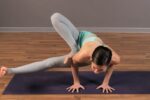
Lizard Pose goes deeper into the hip joint and inner thigh. From a lunge position, bring both hands inside the front foot and lower your elbows toward the floor if possible. Keep the back leg extended and active.
This posture creates an intense but controlled opening through the groin and hip capsule. Modifications with blocks make it accessible for beginners. Practicing Lizard Pose regularly increases hip mobility and improves stride length, making walking and running feel more fluid.

Pigeon Pose Outer Relief
Outer hip tightness often contributes to sciatic discomfort. Pigeon Pose stretches the glutes and piriformis muscle, which can compress nearby nerves when tight. From a plank position, bring one knee forward and extend the opposite leg back.
Keep your hips square and fold forward gradually. Using a cushion under the front hip prevents strain. Consistent practice softens deep muscular tension and supports better spinal balance. Many practitioners notice reduced lower back stiffness after incorporating this pose weekly.

Deep Squat Mobility Booster
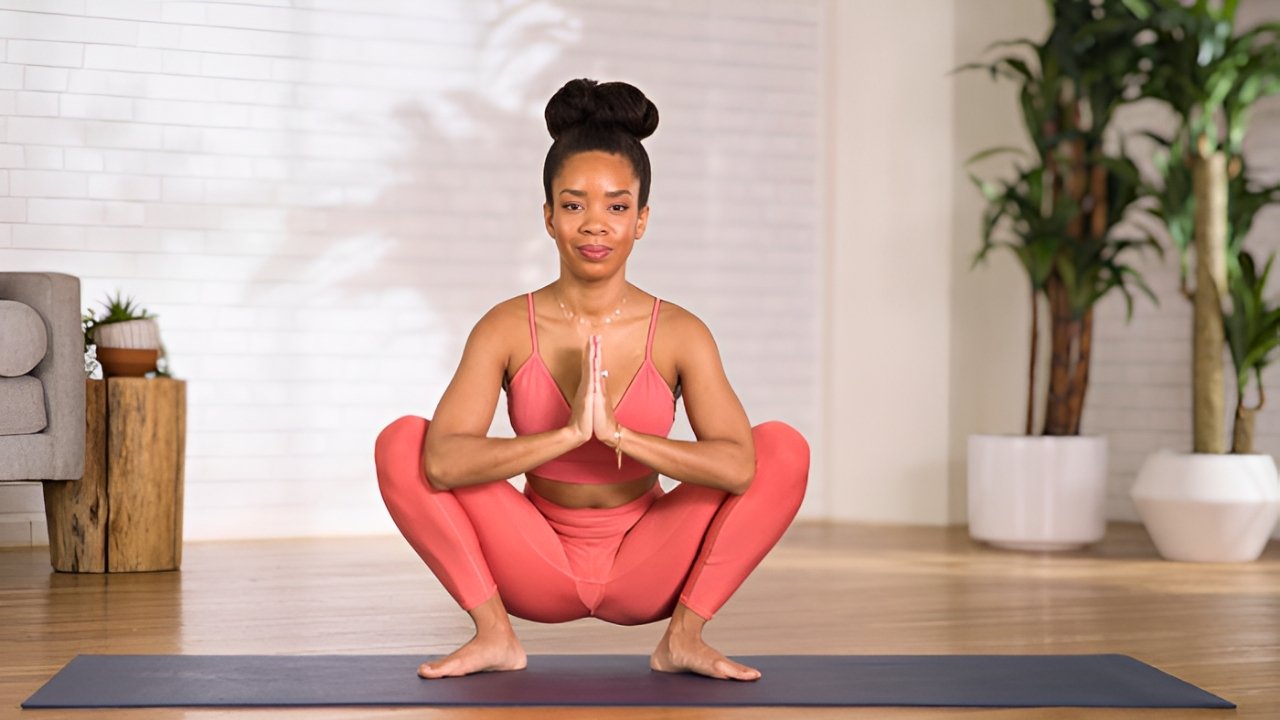
A yogic deep squat restores natural hip mechanics. Stand with feet slightly wider than hip width and lower into a squat while keeping heels grounded. Bring hands to prayer at your chest and gently press elbows against knees.
This position lengthens the lower back, opens the hips, and strengthens stabilizing muscles simultaneously. Modern lifestyles rarely include full squats, leading to restricted mobility. Reintroducing this movement pattern enhances functional flexibility for daily tasks like lifting and bending.
Bridge Pose Strength Support
Flexibility without strength often leads to recurring discomfort. Bridge Pose activates glutes and hamstrings, which stabilize the pelvis. Lie on your back with knees bent and feet flat on the floor. Lift your hips upward while pressing evenly through your feet.
Hold the pose while engaging the core and glutes. This strengthens muscles that counteract tight hip flexors. A stronger posterior chain reduces lower back strain and supports long term mobility improvements.
Supine Twist Final Reset
After deep hip openers, the body benefits from gentle spinal rotation. Lying on your back, bring one knee toward your chest and guide it across your body into a twist. Extend the opposite arm outward and relax your shoulders.
This movement decompresses the lower spine and integrates the flexibility gained during the session. Slow breathing enhances the calming effect. Twists help release residual tension and create a balanced finish to your hip opening flow.
Breathwork Accelerates Release
Breathing patterns directly influence muscle tension. Shallow breathing signals stress, while slow diaphragmatic breathing promotes relaxation. During deep hip stretches, inhale through your nose for four counts and exhale slowly for six.
Longer exhalations encourage the nervous system to relax, allowing muscles to soften naturally. Pairing intentional breathwork with hip opening increases flexibility gains and reduces the likelihood of strain. Breath becomes the bridge between effort and release.

Consistency Creates Lasting Change
Practicing this deep hip opening yoga flow three to four times per week can dramatically improve flexibility and daily mobility. Sessions of thirty minutes are enough when performed mindfully. Over time, hips feel lighter, lower back pain reduces, and posture improves.
Progress may feel subtle at first, but cumulative results are powerful. As mobility returns, everyday movements like walking, standing, and bending become easier. Your body regains its natural rhythm without stiffness limiting performance.
Deep hip opening yoga is a long term investment in joint health and spinal comfort. By combining mobility, strength, and breath awareness, you address the real causes of tight hips and low back pain. The final takeaway is clear. Sustainable relief comes from balanced movement and consistent practice. Commit to the flow, and your body will reward you with flexibility, stability, and effortless daily mobility.