Pranayama for Beginners: Breathing keeps us alive, yet most people never learn how to breathe properly. In daily life, stress, screen time, and rushed routines slowly turn breathing shallow and irregular. This affects energy levels, focus, sleep, and even emotional balance. Pranayama offers a simple yet powerful solution. Rooted in yogic wisdom, these breathing techniques help beginners reconnect with natural breath patterns. You don’t need special equipment or extreme discipline. With regular practice, pranayama becomes a practical wellness tool that fits easily into modern life.
The science behind pranayama
Pranayama is not just a spiritual concept; it has a strong physiological foundation. Controlled breathing directly influences the nervous system, especially the balance between stress response and relaxation response. Slow, mindful breaths activate the parasympathetic nervous system, which supports healing and recovery. Oxygen delivery improves, carbon dioxide balance stabilizes, and heart rate becomes more regulated. For beginners, understanding this science builds confidence and motivation to practice consistently without fear or confusion.

Breathing awareness comes first
Before practicing any technique, awareness of natural breathing is essential. Many beginners jump straight into methods without noticing how they normally breathe. Observing the breath helps identify habits like chest breathing, breath holding, or uneven rhythm. Sitting quietly and watching inhalation and exhalation builds sensitivity and control. This awareness becomes the foundation of all pranayama practices. Once you know your breath, learning to guide it becomes much easier and safer.
Right timing improves results
Timing plays a crucial role in pranayama practice. Early morning is traditionally considered ideal because the mind is calm and the air feels fresh. However, consistency matters more than tradition. Beginners can practice in the evening as well, as long as the stomach is light. Avoid practicing immediately after meals. Choosing a fixed time daily helps the body adapt faster and turns pranayama into a natural part of your routine rather than a forced activity.
Posture supports healthy breathing
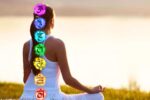
Good posture allows the lungs to expand fully and freely. Slouching compresses the chest and restricts airflow, reducing the benefits of pranayama. Beginners should aim for a straight spine with relaxed shoulders. Sitting on the floor or a chair both work well. The goal is stability, not stiffness. When posture feels comfortable, breathing becomes smoother and deeper without conscious effort, making the entire practice more effective and enjoyable.
Diaphragmatic breathing foundation
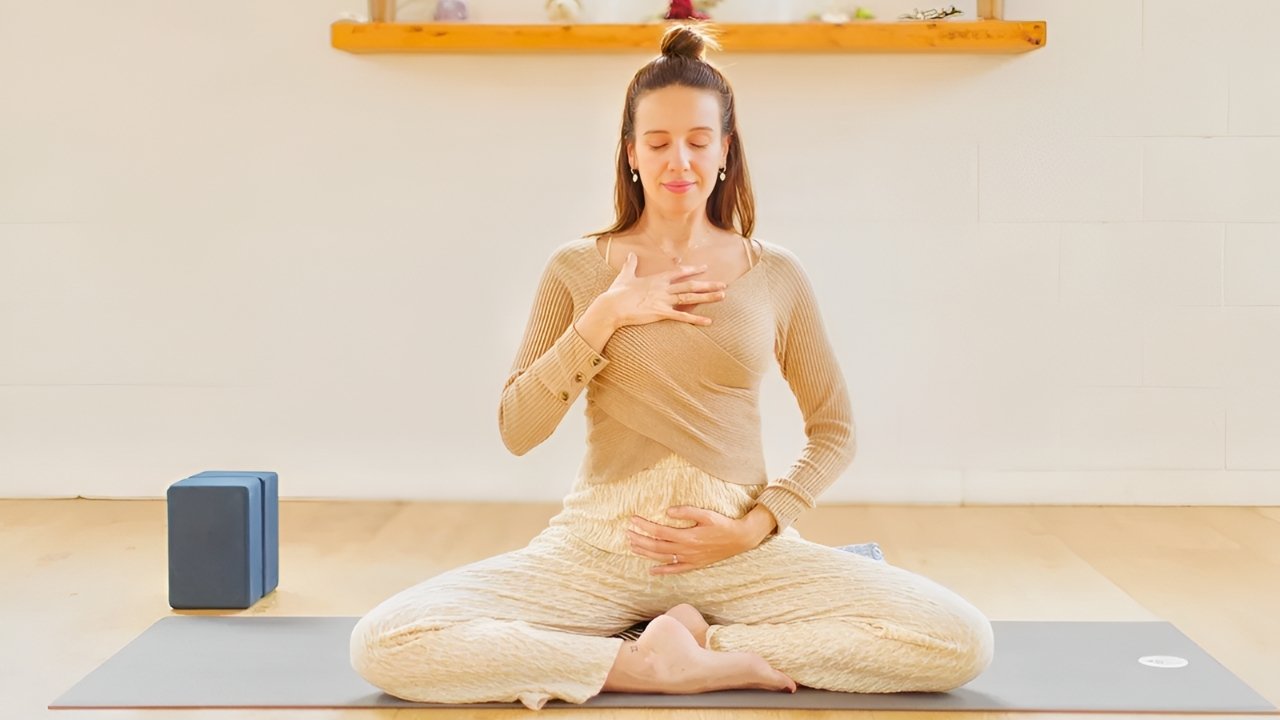
Diaphragmatic breathing is the backbone of most pranayama techniques. Instead of lifting the chest, the breath moves down into the belly, allowing the diaphragm to work efficiently. This method increases oxygen intake and reduces unnecessary tension. Beginners often feel calmer within minutes of practicing this breathing style. Over time, diaphragmatic breathing improves lung capacity and retrains the body to breathe deeply even outside formal practice sessions.
Equal breathing builds balance
Equal breathing focuses on making inhalation and exhalation the same length. This simple technique creates rhythm and balance within the body. Counting mentally helps beginners maintain consistency without strain. Equal breathing stabilizes emotions, sharpens focus, and reduces mental restlessness. It is especially helpful for those who feel overwhelmed or distracted. Practicing this technique regularly trains the nervous system to stay balanced during both calm and challenging moments.
Alternate nostril breathing benefits
Alternate nostril breathing is widely practiced for mental clarity and emotional stability. By breathing through one nostril at a time, the brain’s hemispheres are gently balanced. This technique supports concentration, reduces anxiety, and promotes inner harmony. Beginners should practice slowly, without forcing breath retention. The calming effect often becomes noticeable within a few rounds, making it a favorite technique for stress management and mindfulness.
Cooling breaths for daily life
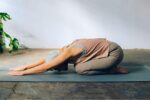
Cooling breathing techniques are especially useful in hot climates, emotional agitation, or moments of irritation. These practices help regulate body temperature and calm intense mental states. Beginners should practice them gently and for short durations. Cooling breaths leave the body feeling refreshed and relaxed rather than drained. They are practical tools that can be used even outside yoga sessions, such as during breaks at work or after physical exertion.
Breathing and mental focus link
Breath and mind are deeply connected. When the breath becomes steady, the mind naturally slows down. Pranayama trains attention by giving the mind a simple anchor. Beginners often notice improved focus and reduced mental chatter after a few weeks of practice. This mental clarity supports better decision-making, productivity, and emotional awareness. Over time, pranayama becomes a mental training tool, not just a physical breathing exercise.
Avoiding early practice mistakes
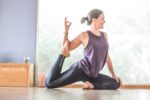
Many beginners unknowingly reduce the benefits of pranayama by making common mistakes. Breathing too forcefully, holding the breath for too long, or practicing with tension can cause discomfort. Ignoring dizziness or strain is another issue. Pranayama should always feel smooth and controlled. Progress happens gradually. Respecting limits and practicing gently ensures long-term benefits without setbacks or frustration.
Integrating pranayama daily
Consistency transforms pranayama from a practice into a lifestyle habit. Beginners should start with short sessions and gradually increase duration. Pairing pranayama with meditation, stretching, or morning routines helps maintain regularity. Even five to ten minutes daily can create noticeable changes in energy and mood. Over time, mindful breathing begins to influence daily activities, leading to calmer reactions and improved resilience.
Health benefits over time
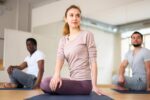
Regular pranayama practice supports overall well-being. Improved lung efficiency enhances stamina and vitality. Stress reduction positively affects sleep quality, digestion, and immune function. Emotional balance becomes more stable, reducing mood swings and anxiety. Beginners often experience subtle changes first, followed by deeper benefits with continued practice. These long-term improvements make pranayama a sustainable wellness tool rather than a temporary relaxation technique.
Conclusion
Pranayama is a practical and accessible path to better health, clarity, and balance. For beginners, the key lies in patience, awareness, and consistency. There is no need to rush or force progress. Each mindful breath builds a stronger connection between body and mind. With regular practice, pranayama naturally becomes part of daily life, supporting both physical vitality and mental peace. Starting small today can lead to lasting transformation tomorrow.